one word photo challenge: yellow

instagram one word photo challenge

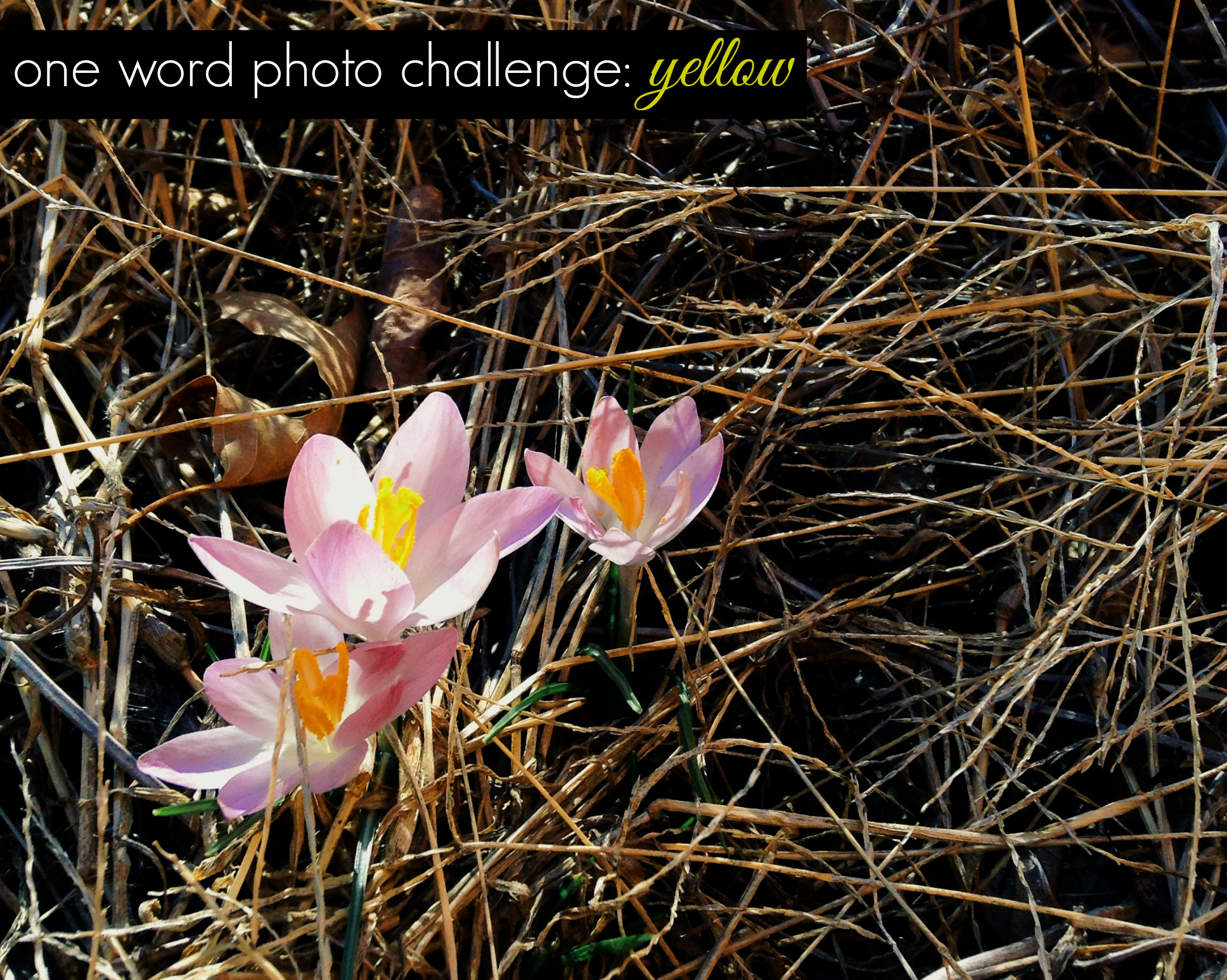
This week I kept forgetting what color we were going for, so I never specifically pinpointed yellow tones. I was pleasantly surprised to see that I had exactly one instagram photo and one DSLR photo with clear pops of yellow. These pretty little flowers appeared in the planter outside our door this week; they didn’t bloom last year and we certainly didn’t plant them, so I guess it’s a bit o’ nature magic.

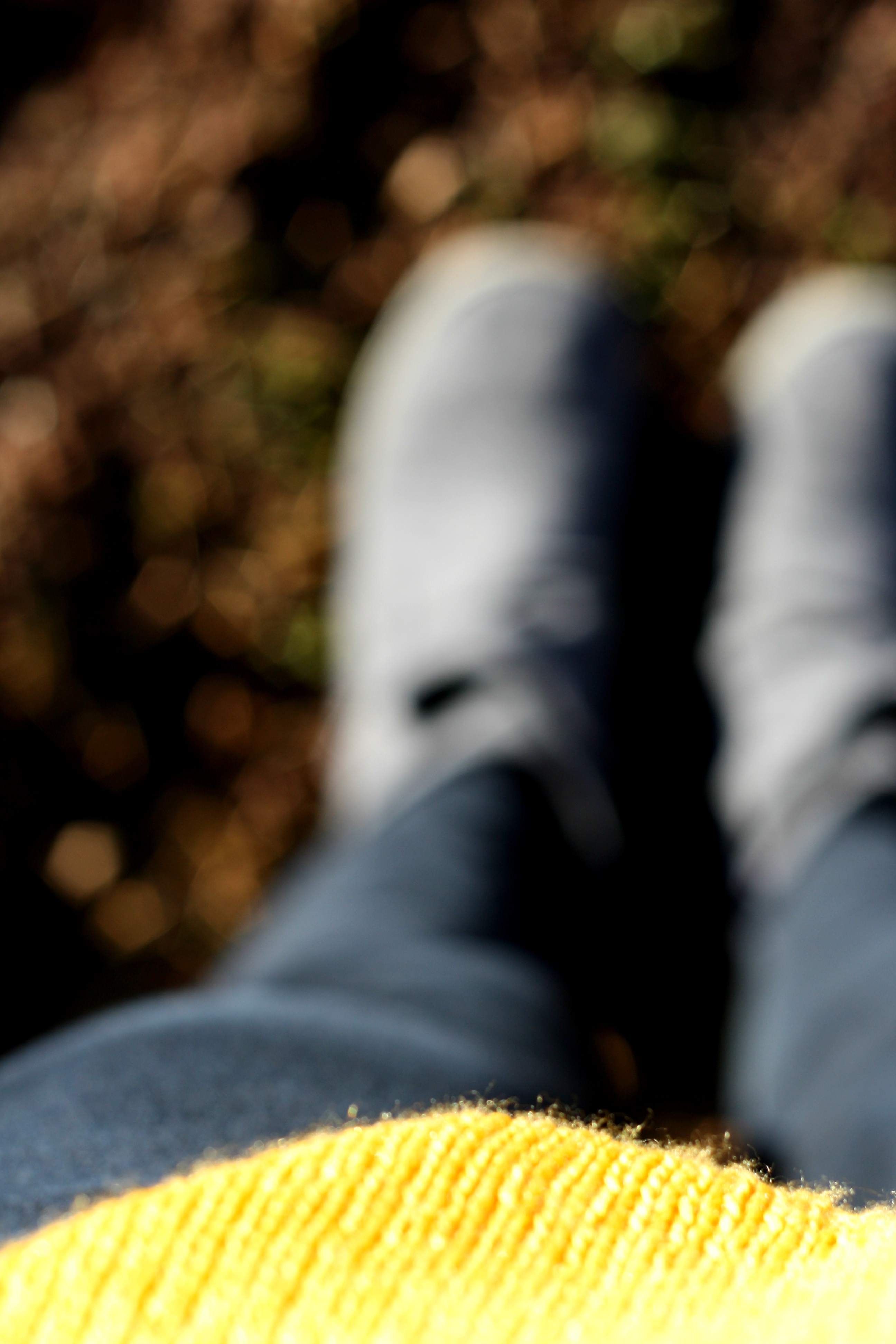
My DSLR photo captures the fine details of my mustard yellow sweater, which I wore on a walk last Friday afternoon.

yellow sweater macro

instaRichmond

instagram collage

We went to Richmond for a couple hours yesterday so Daniel could do some research for a paper he’s writing. While he toured the museum, I walked down to the Capitol and strolled through the monument park, taking pictures along the way.

The high was 67, the sun was shining, and a breeze pulled lightly at my skirt as I walked. I sat on a sun-warmed bench and watched a squirrel groom herself from her perch in the nook of a mature oak tree.

one word photo challenge: green

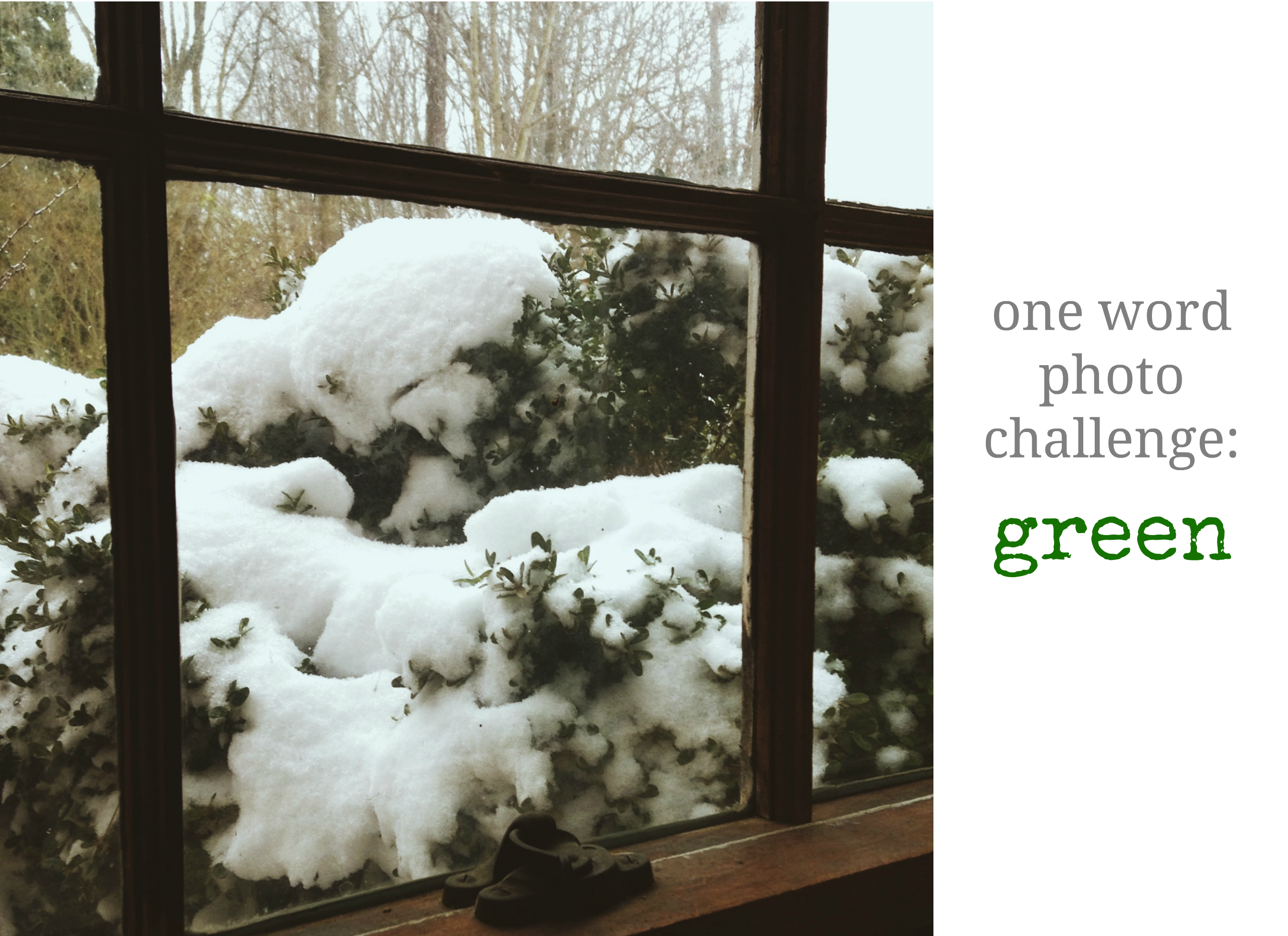
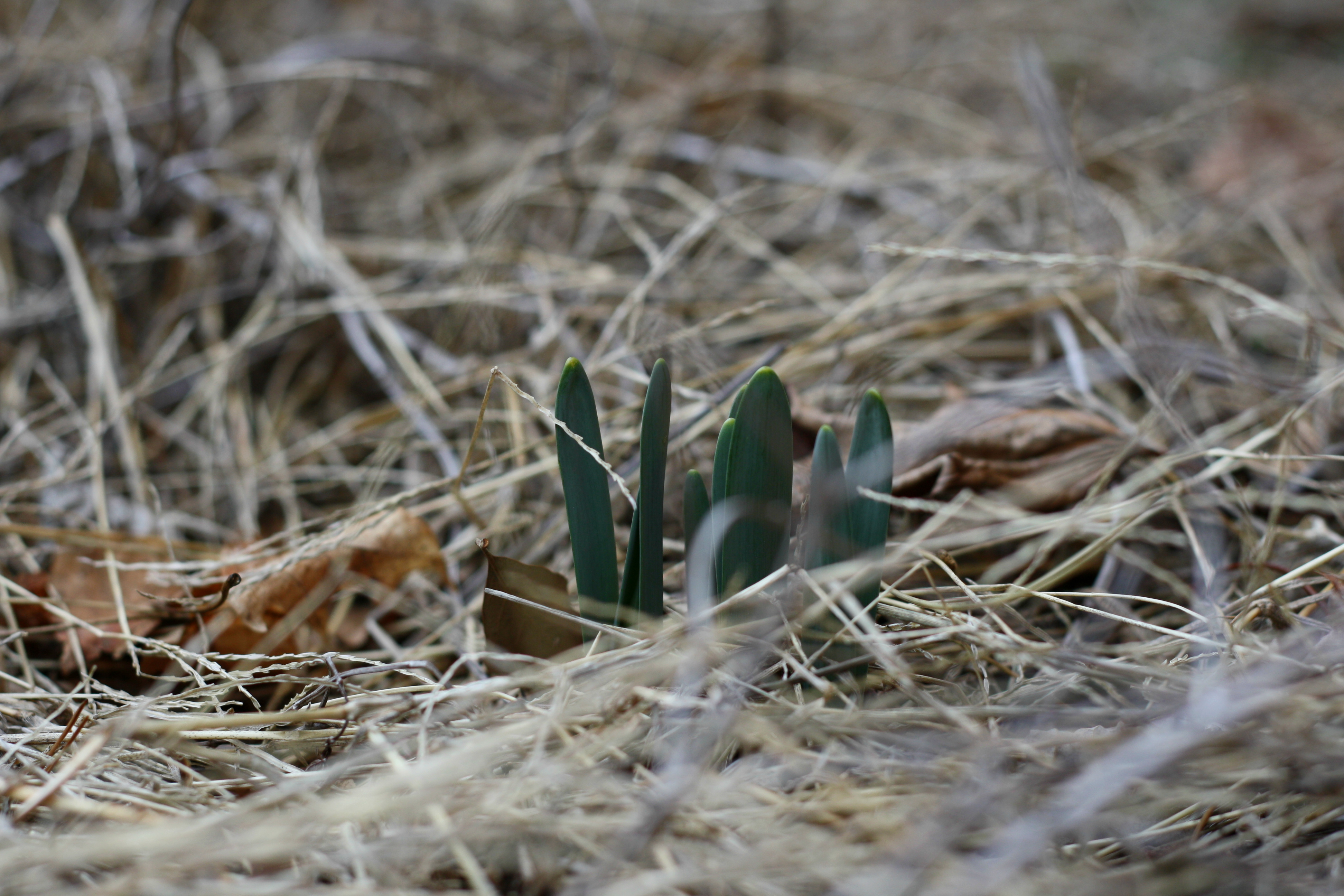
greThough spring hasn’t yet taken hold of the landscape, there’s still plenty of green to be found. My instagram photo was taken out the kitchen window on the morning of Snowpocalypse 2014. I took the digital photograph later the same day; the temperature had warmed enough to melt the first snow, but more snow fell rapidly within the hour and blanketed bare limbs once again.

drops on winter branches

book review: Flight Behavior

fb

This was a living flow, like a pulse through veins, with the cells bursting and renewing themselves as they went. The sudden vision filled her with strong emotions that embarrassed her, for fear of breaking into sobs as she had in front of her in-laws that day when the butterflies enveloped her. How was that even normal, to cry over insects? (Flight Behavior, p. 215)

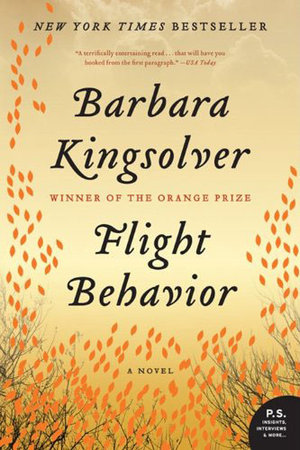
Barbara Kingsolver’s Flight Behavior describes the plight of the monarch butterfly in an extensive and complex narrative. Dellarobia, the tale’s protagonist, discovers a migratory flock of monarchs living on her Tennessee property by mistake, but takes their presence as a sign to turn her life around. Millions of orange bodies pulsate against trees and fill the air like fire, like a burning bush. Soon she and the butterflies gain local and then national attention and the area is flooded with tourists, news crews, and scientists.

Though the story is about Dellarobia’s personal transformation, it’s just as much about the impending devastation of the earth due to climate change and other man-made obstacles. The butterflies aren’t supposed to be here; their presence is an indication of the ultimate decay of earth’s natural wonders. As Dellarobia and Ovid Byron, an ecologist, work together to answer the “whys” of the Tennessee monarch phenomenon, they also come to terms with the cultural barriers that keep academics and farmers from working together. The narrative held my attention for all 464 pages and it taught me about monarchs through the gripping lens of character conflict and conversation. It’s a brilliant example of narrative ethics; it demanded personal, emotional investment in monarch survival as I measured, observed, and discussed alongside Ovid and Dellarobia. It worked its way into my heart; it refused to leave me unscathed.

Monarchs don’t roost in Tennessee. This part is fictional. But it’s clear that monarchs are dying out and that we have a lot to do with it. According to a recent Washington Post article, “deforestation in Mexico, recent bouts of severe weather, and the growth of herbicide-based agriculture destroying crucial milkweed flora in the Midwest” are significant factors in their decline. From 2012 to 2013 – that’s one year – butterflies overwintering in Mexico declined by nearly half (60 million versus 33 million).

I’m ultimately disturbed by what feels like the inevitability of their demise. It’s a well known fact that Monsanto products obliterate native ecosystems in North America, but lobbyists have had very little success convincing the government to ban their products. Activists would also have to convince Mexico to halt deforestation at monarch roosting sites. I want to think we can do it, but we’re so perverse, so corrupt, so bent on taking the easy way out, I don’t know if we can reverse it in time.

Monarchs are beautiful creatures, welcome sights. And their dauntingly complex migratory path is inspiring. It forces you outside your tiny, day-to-day concerns. When I first saw video footage of their post-winter departure in Mexico, I cried, just like Dellarobia. We can’t let this happen. We can’t let them die.

*Book cover image via NPR

one word photo challenge: neon

neon3

For this week’s challenge, I focused on bright spots amid the gray rather than on authentic neon tones. Still, I think I came pretty close. My instagram photo depicts the quaint yellow building in which I reunited with my friend, Taylor, for country cookin’ before thrift shopping in Ruckersville. The DSLR photo, taken in the back yard with my 50 mm lens, is a partially eaten rotting tangerine that Daniel threw in the yard hoping to attract wildlife.

neon1If you’d like to participate in the one word photo challenge, visit my sister’s blog.

all the noise

ny4

If you walk into the story – if you walk into Christ among us – that releases hope in our midst.

– Sister Simone Campbell

I took a step back from writing longer posts because I got tired of all the opinions flooding the internet. Sure, I’m bound to prefer to tweak a few things here and there with any given argument, but for the most part I’d rather let a few prominent voices with more energy and more resources than me hash it out while the rest of us watch.

We think that because we have platforms for voicing our opinions that we must come up with something to say. But then we’re all mumbling and grumbling and shouting over each other and nothing is resolved. I have opinions, but I tell them to my husband, my sister, a coworker, my mom. I stumble over my thoughts as I let the words pour out. I make a fool of myself, but I do it in relative privacy.

I think it may be better if we use our words for stories rather than opinions about other people’s stories. Think about it. The only truly novel thing we have to offer are our stories.

You can shout with the masses that you loathe [insert societal woe here], but your words will largely go unnoticed. But what if you told a story of overcoming prejudice, or of helping resolve a tense social situation? You have profound object lessons to present and you’re the only one with access to them.

You can jump into the battlefields of the great opinion wars – scrambling for something to add to the cacophony, elbowing and kicking the shins of anyone who dares shout over you – or you can extend your hands and weave a tale that leads the people out of darkness.

Our stories offer clarity. They offer peace. They make sense of nonsense. Your story is a little part of the human story. Tell it and listen to others and you’ll realize that most online arguments are just meaningless blips on the map of human experience, not worth a comment or a blog post or a rant.