Yesterday morning, I woke up earlier than usual to a mysterious sound. In my half-asleep stupor, I listened carefully without taking out my earplugs. I deciphered that the static I was hearing was rain. When I took out my earplugs, I could hear the rain falling hard and fast. It was drowning out the noise of rush hour traffic on the highway and quieting the morning tune of songbirds.
I stayed in bed for a while. And at first, I was relieved by the arrival of needed rain after months of drought. But then, I remembered the last time morning had brought this kind of rain. And I began to cry.
On July 4th last year, the rain was just like this – except it lasted longer. And in the Hill Country, it rained much harder.
That morning, I expected to wake up to last-minute planning for the neighborhood Independence Day party, But instead, I woke up and invited people to a prayer vigil.
About six of us sat together, right here, huddled in a circle, constantly checking our phones for news. By the end of the day, it seemed like all of us knew someone who had died. The blessing of rain had become a curse. And the people of this congregation were suddenly on-call to an unfolding nightmare.
Not a week goes by that we don’t talk about the floods: in clergy meetings, conversations with parishioners, or whispered updates between friends. It has changed the way the clergy preach and pastor. It has changed the way we as a congregation grieve. It was, perhaps, our church community’s darkest day.
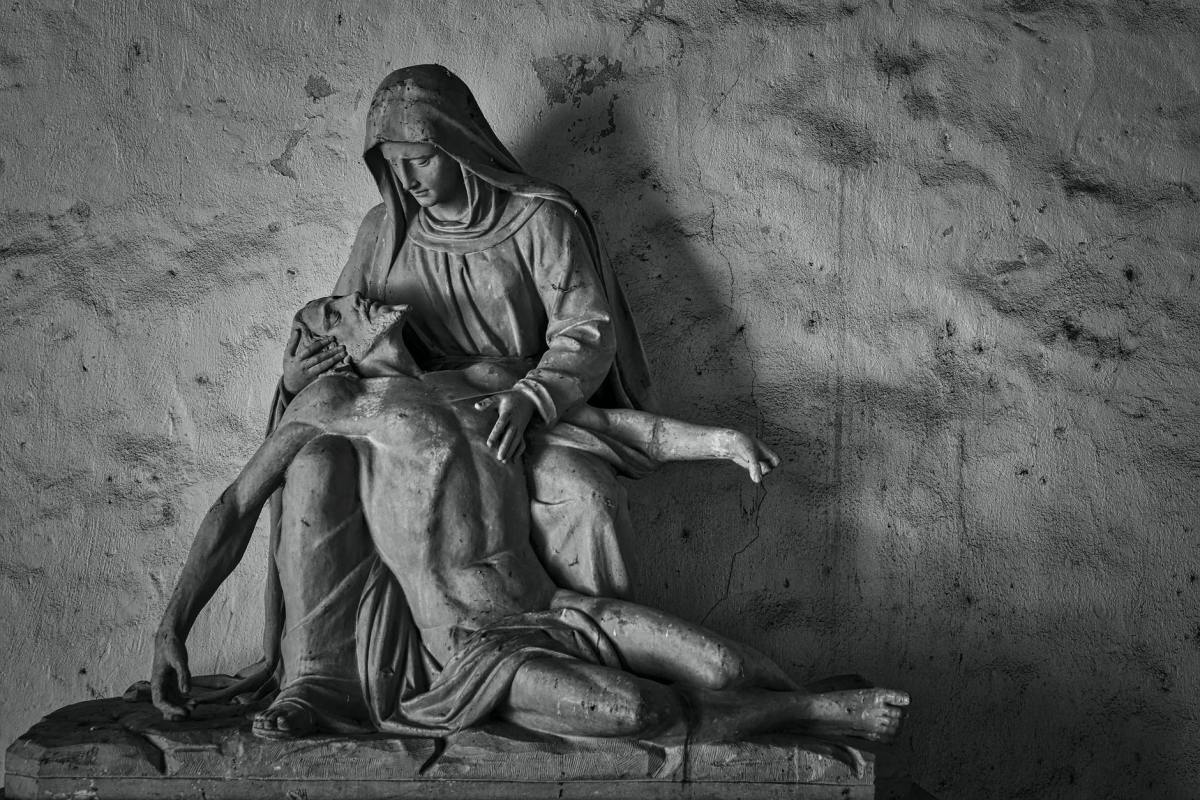
Today, we are living in Christianity’s darkest day. We are living in the shadow place – the day that God-incarnate died.
And I’m tempted to say, like so many have said before, that the brutality of Christ’s death is hard to stomach. But, in fact, it’s the easiest day for people like us to understand.
No matter our circumstances, we have all been battered by loss and grief. None of us can avoid it. And all of us, if we let ourselves, can draw out the pain we still carry in our hearts as the result of some great loss.
And so, it is easy for us to place ourselves in the story of Jesus and his friends, during those hours before his death: through the waiting and the hoping, the worry and the fear, and the sinking feeling in our gut, when we realize the worst has come true.
Good Friday is one of God’s greatest gifts to us. It is the day where we are given gratuitous permission to wake up to rain, and cry. A day where we are given free rein to sit in sackcloth and ashes and to mourn the death of hope itself.
It is also the day that the disciples become mourners with us – at the foot of the cross. And all the grief in every heart, and throughout all generations, is still held right here at the cross, the sorrow so deep it once caused darkness to cover the earth.
That darkness is God’s own grief. And God is still found in the darkness. At the cross, God swallowed us up into his gravitational pull, stretched out his arms, held us close, and said, “I am right here with you.”
Held in the arms of God, we find one another, a family bonded by great loss, but also great love. Here at the cross, in the dusk of another dark day, we find a safe place to lay our burdens down.
And soon enough, when our eyes close in sleep, we will cast off the memory of rain, and perhaps dream about the rising sun(son).
 Leah Wise