Someday at Christmas

And the Word became flesh and lived among us, and we have seen his glory, the glory as of a father’s only son, full of grace and truth. 

Readings here

As a lifelong choral singer,  I have always been a bit of a Christmas-song snob. And it’s only gotten worse since I became an Episcopalian, and learned about the Season of Advent. Because, as the snobbiest of Christmas-song snobs know,  it’s simply *not done* to sing Christmas music before December 25th. 

So, when Christmas songs start playing on the radio in November, I simply refuse to indulge in the merriment. Instead, I try to stop up my ears and ignore all the clatter about rocking around the Christmas tree, kissing Santa Claus, and filling the world with cheer. But this year, something shifted… 

It has been a hard year. I think I can say that without needing to qualify it. Many of us have borne witness to unimaginable loss and lived with prolonged grief.  We have seen our neighbors struggle. Some of us have lost jobs, or struggled to get one. Many of us have lost much more. 

This fall, when the Christmas music started playing, I noticed my ears perking up. In the midst of the world’s heaviness, I found myself wanting to entertain the idea of Christmas cheer, even if the songs were silly and it was, strictly speaking, not Christmas yet. I was desperate for something that would pull me out of my wallowing

So, with cautious hope – or perhaps desperation – I began really listening to Christmas songs, both secular and sacred. And I noticed that songs that had seemed silly and naive before were starting to sound different in my ear. 

But one in particular stood out… 

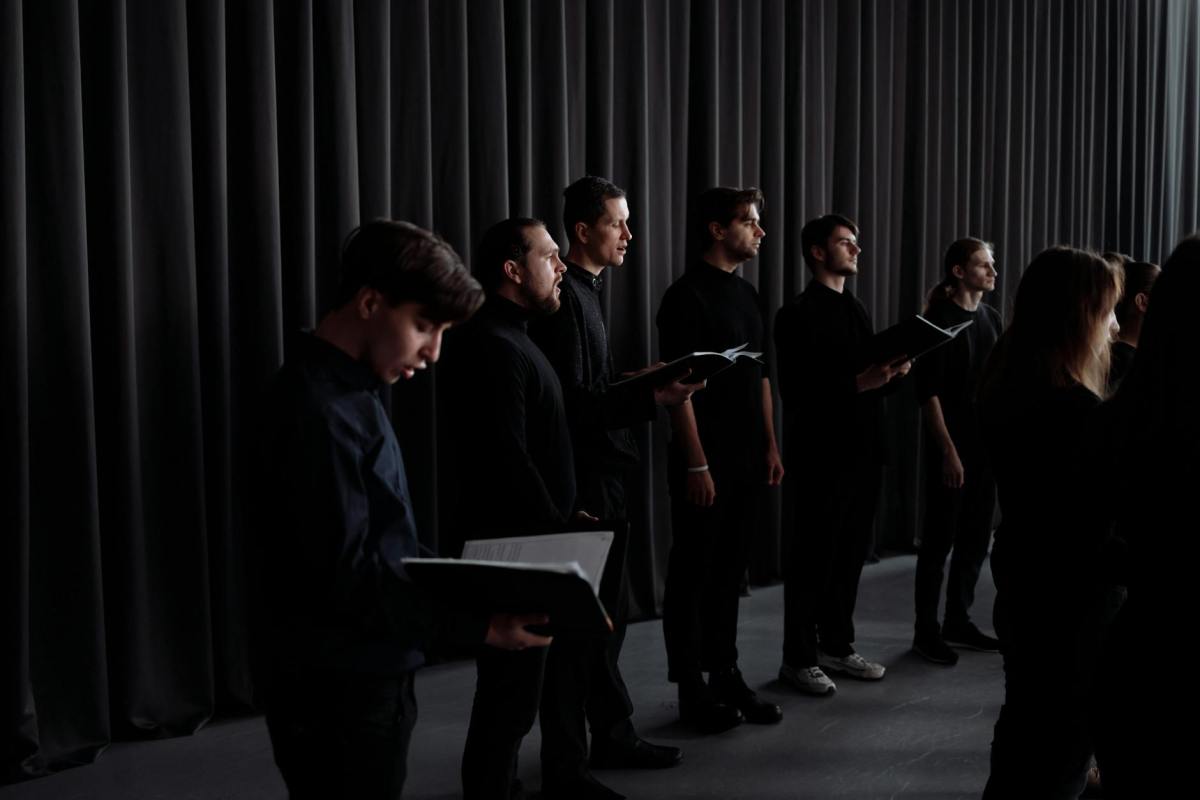
At a community choir concert earlier this month, I was fortunate enough to hear an arrangement of the Christmas classic, “Someday at Christmas.” Released by Stevie Wonder in 1967, this song was part of the soundscape of Christmas before I was born. But, I had never really paid attention to the words,  until this year, when 200 men began to sing in the big sanctuary of a church downtown: 

Someday at Christmas men won’t be boys 
Playing with bombs like kids play with toys 
One warm December our hearts will see 
A world where men are free 

Someday at Christmas there’ll be no wars 
When we have learned what Christmas is for 
When we have found what life’s really worth 
There’ll be peace on earth 

In the unified voice of 200 men, among the crowd of 300 concert goers, this shmaltzy pop song that has whined over the din of Christmas shoppers for 50 years, became something more. Each verse expanded a vision of the world just as big and beautiful as the prophecies of Isaiah: 

“Break forth together into singing, 
you ruins of Jerusalem; 

for the Lord has comforted his people, 
he has redeemed Jerusalem. 

The Lord has bared his holy arm 
before the eyes of all the nations; 

and all the ends of the earth shall see 
the salvation of our God.” 

And yet, at first, the choir sang from a tentative place: a place of desperation, or of hope nearly gone. They seemed to speak of a far-off someday. It seems that their hope had dimmed with each new grief and tragedy in our world, just as mine had

For awhile, I closed my eyes and listened to those hushed voices sing. But then, something caused me to open my eyes and re-focus my gaze. I looked up and noticed that there was a cross at the front of the sanctuary. It had been there the whole time, taking up the whole back wall behind where the singers stood. 

Suddenly, the cross and the music all came together, hitting me like a flash of light. It was as if the full spectrum of faith was being revealed in that room. The desperate prayers whispered in hard times, the cautious hope of someday, the comfort of kind voices filling the room with song. And the empty cross, rising above it all. 

The tone and tempo of the music shifted then, and those 200 voices crescendoed into a bold and forceful sound that made the wooden pews vibrate: 

Someday at Christmas man will not fail 
Hate will be gone and love will prevail 
Someday a new world that we can start 
With hope in every heart 

Quiet desperation had given way to a tangible proclamation of hope. And someday had transformed from passive prayer to bold certainty. As the sound reverberated through the room, all 500 of us gathered there could literally feel hope resonating in our bodies. In the ringing out of unified voices, over the course of many verses, hope had become incarnate

Words had become flesh. 

What was this, if not the miracle of the incarnation, playing out in our time and place? That words of hope could fill up a room and inspire everyone to believe. That things hoped for could be made real through living, breathing, singing humanity. 

This is the miracle of the incarnation, on that Christmas long ago: Jesus Christ, the Word and Lyric that made the world, came to us as a lowly human to be united with us. And to make the world around us vibrate with his tangible presence,  

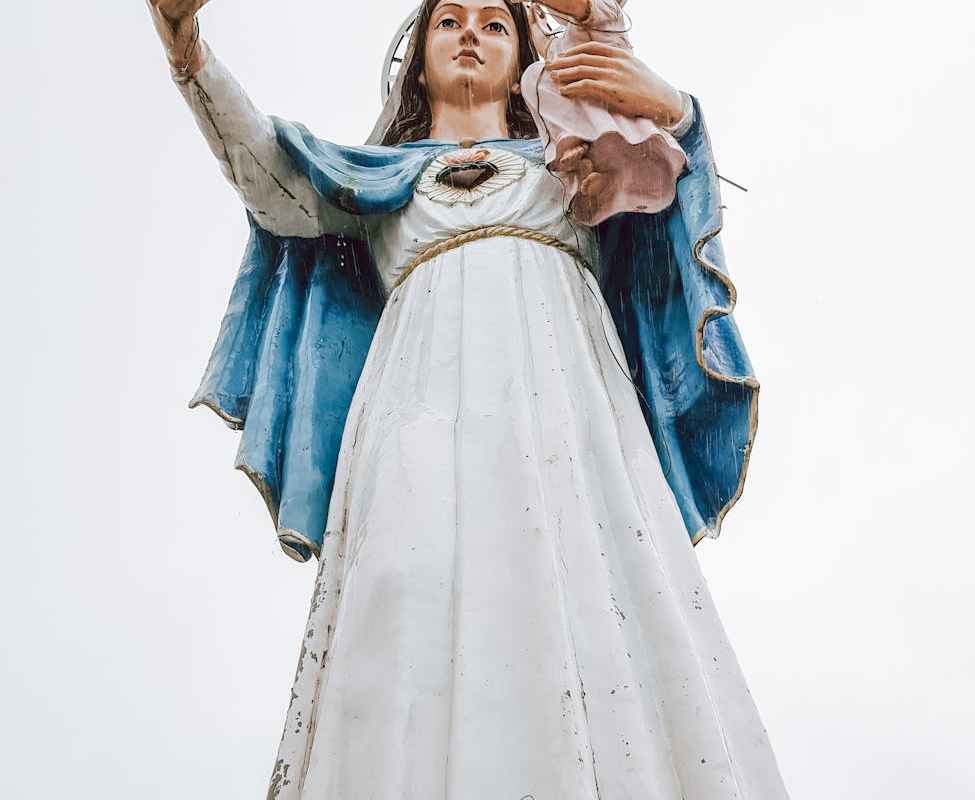
In the face of life’s suffering and loss,  the incarnation reminds us that a young mother was so close to God, she could hold him in her arms, and a cross could not keep holding him. And, because of this, we will be held forever in the arms of God. 

And this is the miracle of the incarnation still: Christ came down to earth – and hope now has a fighting chance. Because the fulfillment of all our hopes lives among us, and in us. 

Against all odds, and against common sense, the hope of the world was born this day in a little, hill country town called Bethlehem. Sleeping in a food trough for animals,  delivered in the usual way, and arriving without pomp or glory. 

But, the air was thick with the singing of angels. Their glorias made the wood of that little barn vibrate. And tired shepherds carried the tune as they ran like fools to the manger. 

As time went on, the singing got louder. Until, on every tongue, in the presence of Jesus Christ, the hope of “Someday” was changed to “Today.” 

Amen. 

Gaudete! You are blessed

Readings here

From this day all generations will call me blessed: the Almighty has done great things for me, and holy is his Name. Amen. 

Today is one of my favorite days of the year: Gaudete Sunday! Here at Good Shepherd, it also happens to be “Rise Against Hunger” Sunday. (After the service, we will pack 10,000 meals for communities with food insecurity.)

Gaudete, which means “Rejoice,” references an ancient chant used on the third Sunday of Advent. But more broadly, it ties together the theme of today’s readings: JOY! Because we worship a God who “looks with favor on his lowly servants.” 

Joy is abundant throughout Mary’s Magnificat, which we read in place of the Psalm this week. After Mary receives the news that she is pregnant with Jesus, she visits her cousin Elizabeth, who affirms that she has been blessed by God. Moved suddenly by the literal presence of God within her, Mary bursts out in poetic verse. She rejoices, because she recognizes that God is now fulfilling his promise to bring about a just and merciful society – the very one her people had longed for since the world began. 

For Mary, you might say that “the personal is political.” Her individual experience of being blessed by God has expanded her perception of God’s blessing in the world. 

As scholar Luke Timothy Johnson puts it: 

“In the Magnificat, Mary’s praise for what God had done to her personally widens out to include what God does for all who fear Him in every age, including what God is doing for Israel by the birth of its Messiah. As God “showed power in his right hand” by His mighty works in the past, so does he “now take Israel by the hand.’” (Commentary on Luke, Sacra Pagina)

God calls Mary – a poor and powerless woman – to birth the Salvation of the world. In doing so, God shakes up the world, tearing down our assumptions about what blessedness looks like. 

While some of Mary’s words don’t sound like good news to everyone—for example, “the rich he has sent away empty”—God’s activity is actually a great equalizer. No more will some people have too much and others have too little. Everyone has been brought to a level place. 

Mary declares that, in God’s kingdom, blessedness is measured not by power or wealth, but by proximity to the Creator. 

But Mary’s is not the only proclamation of God’s blessing in today’s scripture readings. Our other readings use a framework of physical healing to arrive at the same point. 

In Isaiah, the prophet continues his description of the Kingdom of God, describing both the environment and its people. The scorched desert will be transformed into a never-ending oasis. 

There will also be a physical transformation for humanity. He says: 

“Then the eyes of the blind shall be opened, and the ears of the deaf unstopped; then the lame shall leap like a deer, and the tongue of the speechless sing for joy.” 

In Matthew, Jesus uses similar language to reveal to John that he is the fulfillment of the prophecies in Isaiah. As evidence, he describes his healing miracles:

“the blind receive their sight, the lame walk, the lepers are cleansed, the deaf hear…” 

It’s important for us to understand that ancient people understood this kind of “healing” as a great equalizer, in the same vein as God’s equalizing action in the Magnificat. 

Then, as today, many people with disabilities lived on the margins of society. Often, they couldn’t work. And if they had a particular disease, they couldn’t even live in town. Over time, these disabilities came to be understood as a consequence of someone’s sin. 

But, when Jesus healed them, he declared before the entire community that disability was not a barrier to following him. He made clear, instead, that disabled people were blessed. 

Many Christians today still read these passages and think that a disabled person is somehow less righteous than them. But we know that’s wrong. 

Because we are a community made up of Deaf people, we know that Deafness is not a thing to repent from. It is not a sign of sin or brokenness. It is simply one way of being human; and it shapes people, culture, and language in ways that reveal God’s blessing. 

And this is where the Magnificat comes back in. In Mary’s telling, the Kingdom of God rejects the world’s narrow understanding of blessedness.  It’s not about accumulating wealth or status, acquiring peak physical fitness, avoiding difficulty, or pretending to be anything other than human. 

In fact, acknowledging that we are human is the most important part. The only thing asked of us in the Magnificat is that we “fear God,” and all that means is that we trust and accept the powerful, life-altering love of God in service of our own unfettered joy, and the joy of the whole world. 

By choosing a poor and powerless woman to fulfill his promises, God makes clear that being imperfect by human standards is not a barrier to entering the Kingdom of God. In fact, being an outsider – whether poor, disabled, or otherwise – is a sign of blessedness in the new world that Christ is ushering in. 

Today, we will work together, shoulder to shoulder, as a response to Mary’s joy, and our own. We will measure, sort, and pack meals in an effort “fill the hungry with good things.” 

We do this not out of obligation, but because our scriptures and experiences make clear that proximity to the poor is proximity to God’s blessing. In acts of care for one another, we are reminded that everyone is equal in God’s kingdom, and that the blessings we have received are God’s desire for the whole world. 

Gaudete! Rejoice! 

Kid Jesus in the Temple, A Sermon for Christmas 2

Today, after anticipating the coming of Jesus for four long weeks and celebrating his birth for two, we are suddenly encountering pre-teen Jesus seemingly ignoring his parents. 

After all that talk about “Silent Night,” it’s a real shock to the system! 

How did we manage to miss the last eleven years of Jesus’ life? You might be tempted to blame the sudden jump in the story on the Lectionary – which is the schedule of scripture readings we use in the Episcopal Church. But it’s not the Lectionary’s fault. We’re still only in Chapter 2 of Luke, after all.  

This is simply a consequence of Luke’s story-crafting.  He has a point to make and only so much time to make it. Cuts had to be made! 

If Luke were a movie, all we would have missed was a brief growing-up montage set to gentle string music, with a kindly voice reading verse 40: “The child grew and became strong, filled with wisdom; and the favor of God was upon him.” 

At the end of today’s reading, we actually get the bookend to that verse: “And Jesus increased in wisdom and in years, and in divine and human favor.” Those two, brief summaries signal the swift passing of time.  

In the next verse, we will be propelled nearly 20 years into the future, to the time of Pontius Pilate and the start of John the Baptist’s ministry, which ushers in the final Passover pilgrimage of Jesus, from the Galilean countryside to Jerusalem, where he will die and rise again. This little passage in Luke is the only time kid-Jesus gets any airtime in the whole Bible.  

So, why tell this story at all? What does it tell us: about who Jesus is, about his parents, and about the promise of God? 

First, let’s think about the setting… 

It was the festival of the Passover, a time for commemorating God’s rescue of the Israelites from the tyrannical Pharaoh of the Exodus story. As practicing Jews, Jesus’ family traveled to Jerusalem to make sacrifices in the Temple, and join the community in remembrance and praise to God for their rescue. 

Though Passover was a religious obligation, it was also a family reunion: along with his parents, Jesus was accompanied on the journey by aunts, uncles, cousins, grandparents, and people from his village he wasn’t even related to. They traveled together in a large caravan to share protection and resources on what would have been more than a 30-hour journey on foot. 

Once in Jerusalem, the family was hosted by extended family and friends, with everyone sharing responsibility for making sure the kids and animals didn’t go missing. 

Now, let’s think about what happens in the story… 

The sacrifices have been made, the feasting is over, and Mary and Joseph are packed up and ready to head back home. They can’t find Jesus, but they figure he’s with someone they know, so they walk a whole day before they begin to worry. But, the next day, after no word on Jesus’ whereabouts, they have no choice but to turn around. 

For three whole days, they search family homes, rented rooms, marketplaces, and streets for their son.  After nearly giving up, they go back to the most unlikely place to find a child by himself: the Temple. And there he is, talking like a grown-up and holding his own with the religious scholars.  

Mary is not having it. Now nearly a week behind on their journey home, Mary is not in the mood to ponder the blessing of this holy child, because, the fact is, this little blessing is acting like a brat. 

The parental desperation has been building up over the past 4 days, and has now given way to annoyance: “Child, why have you treated us like this? Look, your father and I have been searching for you in great anxiety.” Jesus, unbothered, replies: “Why were you searching for me? Did you not know that I must be in my Father’s house?” 

What the…excuse me, Jesus? What a weird thing to say. You’re 12 years old.  And your parents were on their way home to Nazareth, to your father Joseph’s house.  

Oh, right. Jesus isn’t a normal kid. It’s all coming back now. 

You see, in spite of God’s repeated proclamations to Mary and Joseph – through angels, shepherds, and relatives – that Jesus isn’t a normal kid, the trials and stresses of daily living have lulled his earthly parents into a false sense of normalcy. 

In those first years of new parenthood – the fear, the anxiety, the annoyance, and the overwhelm – this “miracle baby” simply became a part of the mix of life, with all of its everyday distractions and demands. 

Gabriel’s angelic message and Elizabeth’s blessing were just surreal memories now, hazy and almost unbelievable after years of continued toil under the hardship of first-century life, the always-simmering oppression of Roman rule, and the realities of raising a kid, who was fully divine, but still fully human. 

Mary and Joseph didn’t get any special privileges for raising the Son of God, after all. Just like everyone else, they had family obligations, ailing loved ones, household chores, work obligations, and sacrifices to make at the far-away temple. Their lives were exceedingly, boringly normal. 

It is a harrowing fact of human nature that even a miracle as big as the incarnation could, in some sense, stop resonating, could stop sustaining hope. 

I think this is why Luke tells the story. 

Not only does the story of 12-year-old Jesus do theological work, by confirming Jesus’ divinity throughout every moment of his incarnate life. For his exhausted, distracted parents, it was a disruptive, inconvenient, and necessary reminder that God’s promise was still true after all those years. 

It was a reminder that Jesus isn’t normal, and life with him isn’t normal either. 

This child truly is the Anointed One. This child truly is the Son of the very God who dwells in the Temple, who rescued their ancestors from tyrants, from enslavement and exile and ruin,  who turned their mourning into dancing and their sorrow into joy. 

And this child, in a few more years, will manage to bring about the revolutionary salvation of the world regardless of his parents’ successes or missteps. 

And because of that reminder to his parents, it is also a reminder to us, that Jesus is who he says he is – always, at every point in his eternal life and at every point of our journey with him. He is our rescue and our hope – he is God’s promise come true. 

Even when we are distracted by our exhausting, confusing, dangerous, normal lives, the miracle is still a miracle, and God is still with us. And just as importantly, God’s promises aren’t diminished just because we forgot, or got distracted, or were too tired to say thank you. 

What a gift to have this story. What a gift it is to know that God can use anything, even disruption and inconvenience, to remind us that we are held in a state of grace. 

Our scriptures remind us that even our normal lives aren’t normal, because Jesus is still in the act of inconveniencing us in order to reveal himself to us, transforming hatred into love, sorrow into joy, and death into life. Like Mary, we can treasure all of this in our hearts, even when we don’t fully understand what Jesus is up to.

God Found a Way: A Christmas Sermon

Sometimes God speaks in unlikely places through unlikely people… 

Yesterday morning, I took the rare opportunity to sleep in. When I finally did get around to stirring, I did what many of us do these days: I rolled over in bed, picked up my phone, and clicked into Facebook.  

After scrolling through friends’ pictures of poinsettias and children’s pageants for a few minutes, I happened upon an ABC Science video, hosted by historian and science communicator, Dr. Ann Jones. She was describing a curious case of parthenogenesis. Parthonogenesis, which literally translates to “virgin birth” in Greek, is the process by which some animals reproduce without mating. 

It seems that a crocodile, named Coquita, who had been held in a Costa Rican Zoo by herself for 16 years, had somehow managed to produce eggs that were developing. (Note the irony here: Coquita means flirtatious in Spanish.) 

Now, parthenogenesis isn’t that unusual in the natural world. Many insects can reproduce without the aid of fertilization. And some fish and sharks can, too. But until 2018, there was no evidence that parthenogenesis could occur in crocodiles. I’m sure some people here know a lot more about crocodiles than I do, but this was all news to me. 

So, let me get back to the basics for a minute…The thing about crocodiles is that they often lay eggs without the usual prompting from the mating process. But, these eggs are never fertilized and so they don’t develop…at least, that was the case until Coquita came along. In Coquita’s case, one of the embryos developed to full-term, though unfortunately, the baby – a female – was stillborn.  

When scientists analyzed the baby’s DNA, they found that she shared 99.9% of it with her mother. The evidence was clear. Coquita had a virgin birth.  

Before anyone jumps to conclusions, rest assured that I am not suggesting that Coquita the Crocodile’s reproductive miracle offers irrefutable evidence of the truth of the virgin birth of Jesus Christ. Humans are not crocodiles, after all.  And believing in the virgin birth is more properly assigned to the realm of faith than reptile science. 

The inbreaking of God in our world through the embodiment, or incarnation, of Jesus Christ does not have to find its proof in the biological sciences. Because God is allowed to break the rules. And, in fact, he often does. 

But, I’m sharing the story of Coquita the Crocodile, because I need you to know the background of her story, so that you can hear Dr. Ann Jones’ final sentence the way it rang in my ears on the eve of Christmas Eve. 

Sometimes God speaks in unlikely places through unlikely people… 

And, Dr. Jones, at the very end of the video, inadvertently makes a theological claim: “Parthenogenesis, [virgin birth], is nature’s last-ditch attempt to save a species.” 

You see, virgin births occur because things have gotten dire. They occur in contexts where the chances of survival have become slim to none. Whether due to habitat loss, isolation, disease, or any number of dystopian scenarios, scientists widely agree that virgin births occur to make the future possible, when the population is in jeopardy, and there is no other way forward. 

The survival of just one baby produced by parthenogenesis could make mating possible for the next generation. It is quite literally a matter of life and death. 

And in a way, isn’t this what our scriptures claim, too? 

“Parthenogenesis is nature’s last-ditch attempt to save a species.” In a world of violence, oppression, apathy, and desperation, the virgin birth, of Jesus Christ, was God’s final attempt to save the world. 

And it worked.  In his first, shrill cry out into the cold night in Bethlehem, Jesus Christ used his brand-new lungs to proclaim LIFE in the midst of death. 

Sometimes God speaks in unlikely places through unlikely people… 

In the Christmas story, God speaks in the voice of an infant; in the bafflement of anxious, young parents; in the lowing of livestock; in the song of angels; and in the excited voices of unkempt shepherds. And God-incarnate makes his first appearance in a room that was the last-ditch effort at last-minute shelter, on a cold night in Bethlehem. 

The curious virgin birth, of Jesus Christ, made the future possible for us. And not just any future: An abundant and joyful future, where wrongs are righted,  and peace mends all the broken things. 

It was just as the prophets foretold… 

The people who walked in darkness 
have seen a great light; 
those who lived in a land of deep darkness– 
on them light has shined… 
For a child has been born for us, 
a son given to us; 
authority rests upon his shoulders; 
and he is named 
Wonderful Counselor, Mighty God, 
Everlasting Father, Prince of Peace. 

The baby was born, and so, salvation was born into the world. As the angels announced and the shepherds declared, Jesus had come to bring abundant, loving, expansive, incomprehensible, unending life. 

Finally, God had come down into the thick of it to forge a straight path through the rubble of our lives, and to show us, by word and example, what it means to keep a promise, and what it takes to build and birth an abundant future for the whole world. 

Joy to the world! The Lord is come! 

…against all odds, after so much waiting, just when we thought we couldn’t survive. 

This is the story of Christmas:  A curious virgin birth, a cry piercing the night, a baby in a manger. A message in the sky, the surprising witness of shepherds, the ponderings of a new mother. The salvation of the world. 

And it only took one baby, born in a time and place just as difficult and dystopian as our own. Born to make the future possible.  And it worked. 

Just when humanity thought it couldn’t survive, God found a way. 

Surprise, Inspiration, Bold Proclamation: Advent 4

Five years ago, I journeyed to the diocesan offices in Richmond, Virginia to undergo several hours of interviews for “postulancy.” Postulancy is the first step, of many, on the path to ordination in the Episcopal Church.  

I have heard some people call postulancy the “narrow gate.” Because, for many people, this is the most critical step in an ordination process. In these interviews, the aspiring priest is compelled to describe their call with clarity and conviction to a roomful of strangers. 

That day in Richmond, I was finally at the end of my interview, and they asked the closing question: “Is there anything else you’d like to tell us?” 

To everyone’s surprise – including my own – I blurted out some garbled sentence about Mary. Whether compelled by the Holy Spirit or by the delirium of anxiety, in that moment, I needed to talk about Mary. It suddenly felt urgent to tell them that Mary’s call by God to mother the Savior of the World meant a whole lot to me. 

As a kid growing up in churches that didn’t let women teach or preach, Mary had become my friend. She was a reminder that women could also be a part of God’s story. And not only that: in the story of Jesus, especially Luke’s telling, women are the first to be called. 

Mary, and her cousin Elizabeth, are prophets and apostles in the first chapter in the story of Jesus. In the most literal terms, they grew, nurtured, and birthed good news into the world, Elizabeth, as the mother of John the Baptist, and Mary, as the mother of Jesus. 

Jesus’ ministry with and for us on earth occurred, because Mary took the risk of saying, “Here am I, the servant of the Lord.” 

I told the committee all of these things as I pondered them in my heart. I pondered a little too hard, because I started crying from the beauty and weight of it all. 

My rector, who had accompanied me to the meetings, had an amused expression on his face. Later, we laughed together as he recounted how I had made myself cry during an optional question at the very end of a long interview. But, I’m glad Mary showed up during that intense moment in my life. 

Because, in many ways, she is the template of the life of faith, not one defined just by having the will to believe, but by moments of surprise, inspiration, and bold proclamation that lead to sustained trust in God. 

In today’s Gospel reading, Mary is inspired by Elizabeth’s Spirit-filled blessing to view her strange and miraculous pregnancy within the whole history of God’s persistent goodness. As soon as Elizabeth calls her “blessed,” she starts up with an original song we now call the Magnificat… 

He has mercy on those who fear him
in every generation. 
He has shown the strength of his arm,
he has scattered the proud in their conceit. 
He has cast down the mighty from their thrones,
and has lifted up the lowly. 
He has filled the hungry with good things,
and the rich he has sent away empty. 
He has come to the help of his servant Israel,
for he has remembered his promise of mercy. 

Though her words are spoken with the boldness of a prophet, Mary is not foretelling the future. With sudden urgency, she is actually sharing what has already, and always, been true about this loving, generous, just, and merciful God.  

She says: God has already fed the hungry; freed his people from slavery; dethroned tyrants; sustained orphans, widows, and refugees; and brought the lost back to their homes, back to the flock, and back into the arms of God. 

Maybe Mary surprised herself when she blurted all that out. Maybe God’s promises had felt far away for awhile. Maybe on that long journey to visit Elizabeth, the initial joy of her miraculous pregnancy had given way to fear, confusion, and even doubt. 

But then, the Holy Spirit prompted Elizabeth to say exactly what Mary needed to hear: “Blessed is she who believed that there would be a fulfillment of what was spoken to her by the Lord.” 

Elizabeth’s words rang true. They hit her like a bolt of lightning that illuminated the dark night of Mary’s strange circumstances. It helped for someone else to say, out loud, that she had already been called, and that meant she could rise to the challenge of God’s continued call on her life, no matter where it took her.  

This realization compelled her to sing! She had professed God’s goodness, she had seen the proof of that goodness throughout time, and now it was time to trust it.  

This is how she embodied the life of faith: as a cycle of memory, inspiration, and bold proclamation, with each one necessary to reviving and sustaining the other. 

This week, New York Times columnist David Brooks, wrote a piece on his own life of faith, entitled The Shock of Faith: It’s nothing like I thought it would be (gift link). In it, he shares the non-linear path that led him from atheism to whole-hearted participation in Jewish and Christian communities.  

He talks about coming to faith, not as single moment of conversion, but as “an inspiration” that occurs at various times throughout life. He says that the first time he felt this inspiration, it was “as though someone had breathed life into those old biblical stories so that they now appeared true.” 

In particular, Brooks shares a story about being startled by God on a hiking trip, as he read a Puritan prayer: 

Let me learn by paradox that the way down is the way up,  
That to be low is to be high,  
That the broken heart is the healed heart,  
That the contrite spirit is the rejoicing spirit,  
That the repenting soul is the victorious soul. 

Suddenly, it hit him that these paradoxical sayings were true. He says he was “seized by joy” and suddenly aware of the beauty all around him. 

In a paragraph that recalls Mary’s Magnificat, Brooks goes on to say: 

“That contact with radical goodness, that glimpse into the hidden reality of things, didn’t give me new ideas; it made real an ancient truth that had lain unbidden at the depth of my consciousness. We are embraced by a moral order. What we call good and evil are not just preferences that this or that set of individuals invent according to their tastes. Rather, slavery, cruelty and rape are wrong at all times and in all places, because they are an assault on something that is sacred in all times and places, human dignity. Contrariwise, self-sacrificial love, generosity, mercy and justice are not just pleasant to see. They are fixed spots on an eternal compass, things you can orient your life toward.” 

Brooks suggests that faith may be born in the will to believe, but it is sustained in transcendent moments of awe, in nudges from the Holy Spirit that lead us to recall God’s faithfulness in history, and trust in his goodness, in all times and places. 

Through the witness of their lives, Mary and other people of faith remind us that goodness is intrinsic to God’s nature, and that love, generosity, mercy, and justice are God’s intended order of the universe. 

Yet, even as we will ourselves to believe, we cannot guarantee that the life of faith will prevent fear, confusion, or even doubt. We may not always feel like a part of God’s story. We may need someone to bless us and remind us of how God sustained his people in the wilderness. We will need to be inspired, in quiet moments and lightning bolt shocks, over and over again. 

My hope in these last days of Advent is that we take heart and find moments of joy in our life of faith, unburdened by worries that we’re not holy or good enough to be called by God.  

Like Mary, we can embrace this journey with God as a cycle of memory, inspiration, and bold proclamation, with each one necessary to reviving and sustaining the other. 

God calls us, and God will come near to us again. Amen. 

Divine Reassurances and Difficult Questions: A Sermon on Mary

Advent 4, Year BReadings here

For the past couple of months, I’ve have been slowly making my way through a book series about Jesuit priests who travel through space to meet singing aliens.

While these books, The Sparrow and Children of God, sound pretty lighthearted in their premise, they are actually extremely intense. They follow a Jesuit and linguist named Emilio Sandoz through the thrill of discovering alien life, the tedium of the long journey to another planet, the awe of taking that first step into completely foreign territory, and the surprising joy of engaging meaningfully with another sentient species.

Throughout the books, Sandoz is depicted as a person of wavering faith. Though he has devoted his life to God, he still grapples with life’s most difficult existential questions.

Questions like: Am I really doing what God wants me to do? Where is God in all this suffering? How can beauty and pain exist simultaneously?

But here’s the question the story seems to ask more than any other: If I had known what I know now, would I have followed God’s call on my life?

Early on in the first book, Sandoz has an experience of God so profound that those witnessing it say his face was shining like a saint. But that moment of spiritual certainty is overshadowed by years of tragedy, loss, and physical disability. Sandoz spends the rest of his life wondering what it could mean to have received divine reassurance that God has a plan for him, but to still be grappling with the confusion, doubt, and discomfort of not really knowing what will happen next.


Because I have been living in this alien world with Emilio Sandoz for so long, I can’t help but imagine Mary grappling with the same divine reassurances, and the same difficult questions.

But before I get into that, let me give you a bit of background on what we might call the “Mary Discourse.”

For the past few years, it has been trendy for preachers to riff on the popular Christmas song: “Mary, did you know?”

The song, which we’ll actually hear during the Offertory, goes like this:

Mary did you know
That your baby boy
Would one day walk on water?
Mary did you know
That your baby boy
Would save our sons and daughters?

Did you know
That your baby boy
Has come to make you new?
This child that you’ve delivered
Will soon deliver you.

Though the song was released in 1991, a parody called “Yes, I freaking knew” was shared online in 2019. That song uses all the same words from the original, except each repetition of “Mary did you know?” turns into an exasperated declaration: “Yes, I freaking knew.”

The parody song set off an ongoing conversation about what, exactly, Mary knew when she consented to God’s call on her life. We know that almost immediately after Gabriel’s visit, Mary sings a song about empires falling, and God keeping God’s promises. We call it the Magnificat.

But even though her words are forceful and prophetic, we often talk about Mary as meek, mild, and mostly silent. In other words, there is a disparity between her own words and the church’s historical characterization of Mary.

I mean, look at the hymn we just sang (“The angel Gabriel from heaven came”):

Out of 4 verses, Mary only gets one verse with a speaking part. This, despite being the one who bore Jesus Christ, the Savior of the World, in her own body! The fourth verse has the nerve to give us a speaking part, which doesn’t really seem fair to Mary, since we weren’t there for any of it.

I think the “Yes, I freaking knew” parody is right to point out that Mary wasn’t just a passive part of the story. At some level, of course she knew that saying yes was a big responsibility, with world-changing repercussions.

For us today, Mary is not a “most highly favored lady” because God sent the angel Gabriel to have a little chat with her. We remember her today because she boldy said YES to God’s call on her life.


Today’s passage is all about what it looks, sounds, and feels like for God to call us to something, and for us to respond.

The narrative follows the structure of a classic call narrative. Like the Old Testament prophets and patriarchs, Mary is brought into the terrifying presence of God’s messenger, who shares a bewildering and improbable message:

You will bear the son of God. You, little old Mary, from a region about the size of Houston, Texas, are being asked to consent to something that will risk your future, for the sake of the whole world.

This experience must have been unlike anything Mary could have imagined for herself, a young, poor woman from a marginalized religious group. Like Emilio Sandoz encountering an alien world for the first time, I imagine that Mary felt equal parts joy and wonder as Gabriel told her that the story of salvation was, at last, coming to pass.

She knew, in that moment, that God was at work in the world. And everything would be different.

In the near presence of God, of course she said yes: “Here am I, the servant of the Lord; let it be with me according to your word.”

So, it seems clear that Mary freaking knew, at the moment of her call, that she would play a part in God’s plan. Jesus was coming and nothing would ever be the same.


But could Mary have possibly known…everything?

Could she have known the jumbled beauty and pain of childbirth? Could she have known that Jesus, once he was grown, would put her own people at odds with one another, almost immediately? Could she have known the intricacies of his ministry, and the difficulty of navigating the needy crowds? Could she have known the intense horror and grief she would feel when her son was murdered by the empire?

As Mary sat at the foot of the cross, her son gasping his presumed last breath, do you think she really knew what saying yes to God would mean? Do you think she wondered if she had lost the plot somewhere along the way?

Indeed, even after Jesus’ resurrection, the fledgling church looked nothing like the empire-destroying world Mary sang about in her Magnificat.

Are you there, God? It’s me, Mary.

At the end of Christ’s earthly ministry, I wonder if Mary secretly pondered a question she dared not say out loud: If I had known what I know now, would I have followed God’s call on my life?


I don’t mean to be bleak, but in this last reflective moment of Advent, I do mean to be honest.

When we, like Mary, say yes to where God is leading us, we can never really know what that means for our future. In following Jesus, we are not promised a roadmap. We are not guaranteed glory or safety or a simple life. We are not even promised rational answers to our existential questions.

But, what we are promised is that everything will change, for the better.

As we look forward to celebrating God coming near to us, in the form of a human named Jesus, what we can know is this: It wasn’t enough for God to be at work in the world, in a vague and distant way. It wasn’t enough for God to be just out of arm’s length.

No! For our sake, God wanted to be a baby we could hold, a person we could embrace, a fellow citizen in an unjust empire, a cousin who cries with you at your kitchen table, a friend who tells jokes and calls you on your crap, a son who loves his mom.

We worship an incarnate, em-bodied Savior who calls us, like Mary, to use our own body, mind, and spirit for the sake of the transformation of the world.

He reminds us that, even in our human frailty, we are stronger than we know. Empires will be toppled, and the lowly will be lifted up. And God is, truly, with us.

When we answer the call of the Gospel, we can never really know where Christ will lead us.

But I hope, when Jesus’ tiny hands reach out to you from the manger this Christmas, you can hold him close to your heart, and say: YES.

Amen.

Ponder Anew: A Sermon for Christmas Day

A Sermon for Christmas Day

Readings available here | Watch the recording here 

But Mary treasured all these words and pondered them in her heart. 

Ever since I was a kid, if anything exciting or life-affirming or unbelievably good happened to me, I kid you not, I would say to myself, “But Leah treasured all these words and pondered them in her heart.” 

Now, I didn’t spend a lot of time as a nine-year-old analyzing what this passage might actually mean.  

But I think there was something about Mary’s reaction that just made sense to me. It felt honest. It felt real

That’s because the juxtaposition of those two words – Mary treasured and she pondered – seems to accurately summarize a common response to a particular human experience: 

The experience of receiving good news. Think about a time when you’ve received good news. You got the job you wanted. Or the surgery went well. Or the person you like, likes you back. Or you hear the piercing cry of your newborn baby for the first time. 

You are elated as you realize that life is better than you could have imagined even a moment ago. 

And you’re suddenly caught up in this urgent need to remember this moment, this moment that everything changed for the better. “Of course,” you say to yourself, “life is precious. How could you not have noticed this before?”  

You want to treasure what’s in front of you. 

And then, that observation of your own joy leads to another feeling: hope. All of a sudden, the whole world seems bigger and brighter.

You think: “if this one thing could work out, then maybe it could all work out. Maybe your life could be different than you imagined.”  

You piece together the old losses with the good news. You ponder anew what God is doing in your life. 

Because of this good news, your future is more unpredictable than ever, but in the best way. Everything feels possible now.

But Mary treasured all these words and pondered them in her heart. 

Mary does what any of us would do when we receive good news beyond our expectation. She holds the words close to her heart, and she ponders what they could mean for the rest of her life. 

— 

Now, some of us might feel uncomfortable with the idea that Mary doesn’t already know the whole story. We sometimes try to impose a kind of stagnant perfection on Mary, making her into the perfect, all-knowing disciple.

But if Mary already knows everything – if there’s no need to ponder – her complicated and relatable humanity is downplayed by a cliché. We turn her into someone who doesn’t get to ask any questions about the nature of her call. 

Still, it’s fair to ask how Mary got to this point today, with the shepherds, acting as if she’s hearing good news for the first time.

— 

After all, just nine months ago, a literal angel showed up at her house and told her she would give birth to the Son of God. She even wrote a daring song about the experience, which we call the Magnificat

But nine months is a long time. And a lot has happened since then. The fear of being rejected by her fiance, Joseph. The morning sickness. The rocky journey to Bethlehem. Not to mention the labor and delivery.  

And now, she’s looking into the face of crying newborn. Maybe she’s wondering if she heard the angel right. The good news from nine months ago didn’t need a lot of pondering when it was just a hypothetical.  

But now the good news is real. There’s a baby to feed and raise. If this is the Savior of the world, how is she supposed to get him from point A to point B? From infancy to empowered deity? Who could really feel prepared for this? 

— 

It is important that the shepherds show up at precisely this moment. They assure Mary that she’s not imagining things. 

The good news – “the Savior is born today in the City of David” – is true. What the angel told Mary is true. What she and her people have been hoping for, for generations, is true.  

Life is better than she could have imagined even a moment ago. Because the good news is finally real. And, by some miracle, she is a part of the story. 

Jesus, the Savior – Christ, the Anointed One – is no longer a thing wished for, but a person.  

With the shepherds’ confirmation and affirmation, Mary is suddenly caught up in that familiar human experience: the need to treasure this gift, and to ponder anew. 

She still doesn’t know what the future holds, but she knows she has a future. 

Mary cherishes the reality that she gets to participate in the grand design of God. She allows herself the hope of imagining how beautiful her future will be because Jesus Christ is a part of it. 

Everything is now possible, because with God all things are possible. And God, in human form, is right here. 

— 

During Christmas, we, like Mary, receive the good news we’ve already heard. But, the fact is, we need to hear it again. We need confirmation and affirmation that the Gospel is true. That God is here. That we have a future.  

If the good news hits us just right, we get the chance to hold it close to our hearts. We get the chance to treasure the fact that we are participating in the unimaginably big story of Jesus Christ. And we get to ponder anew what the Almighty can do. 

Receive this news with hope: “to you is born this day in the city of David a Savior, who is the Messiah, the Christ, the Lord.” 

Amen. 

if only in my dreams

ch3

ch6

ch12

ch16ch21

ch17

ch23

ch25

ch26ch22

I didn’t make it home for Christmas this year, but I came pretty close. We spent Christmas day at a family friend’s childhood home in tiny Woodstock, Virginia.

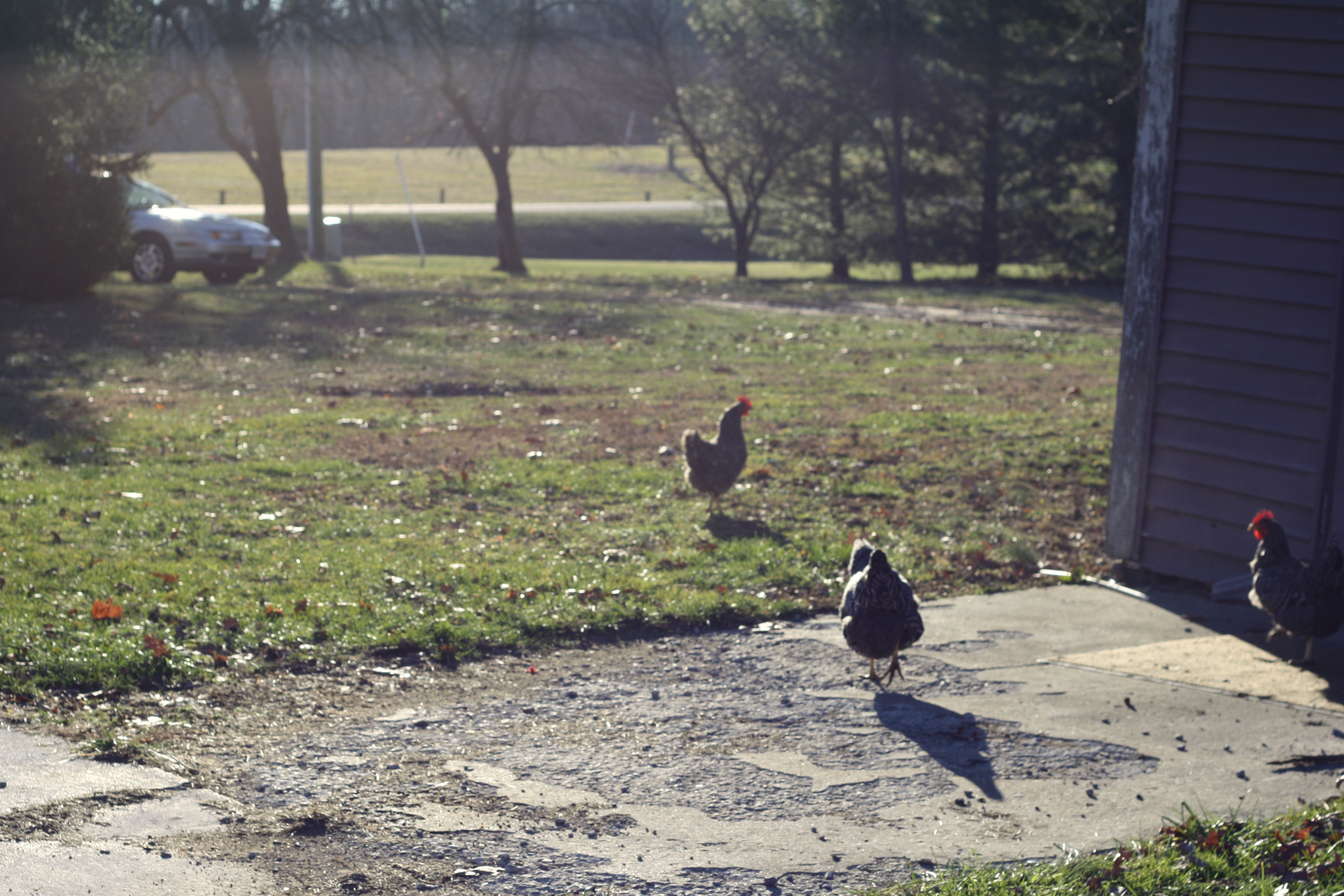
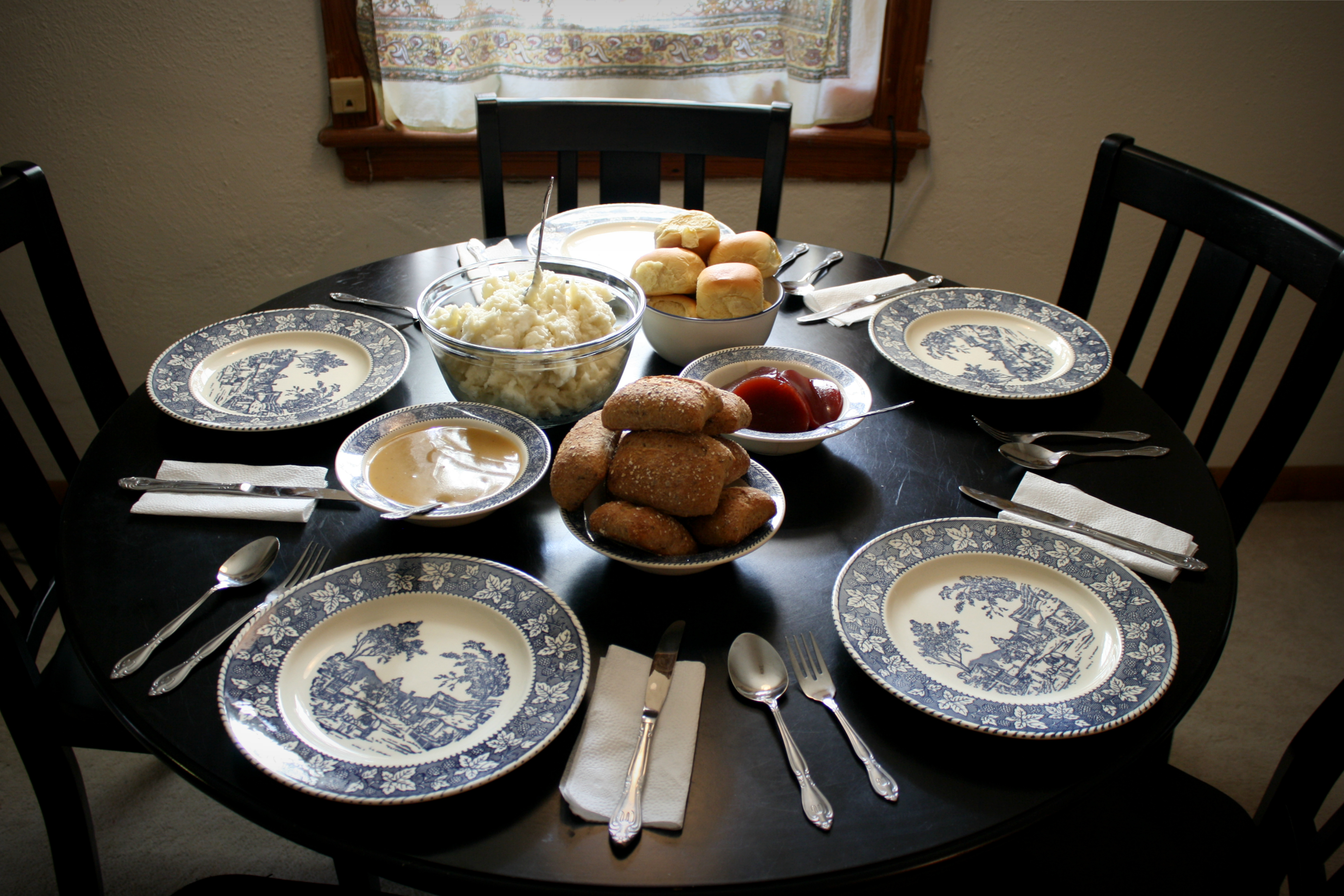
It was a proper country Christmas. We fed the hens, chased the guineafowl (that was mostly me), ate pot roast with mashed potatoes, and opened gifts by the fireplace. It was just how Christmas should be. I missed my family, but I’m thankful that another one welcomed us in as two of their own.

Hope you had a lovely Christmas day!

lately.

outfitI haven’t really talked about the day to day here lately and that’s really what this blog is all about. Here’s an update on the past couple of weeks:

  • I rediscovered my computer’s Recycle Bin after accidentally deleting it two+ years ago. It feels good to know those 3,761 items are gone for good.
  • A man walked into the shop near close last week and handed my coworker and me a single pink tulip each. It brightened my day.
  • Daniel survived the end-of-semester panic and is now safely within winter break.
  • Most of our friends left town to visit family for the holiday; it’s a bit sad.
  • A small portion of Daniel’s family is coming to visit just in time for Christmas.
  • I restarted work on a scrapbook of lithograph prints from nineteenth century biology books; it’s tedious work for someone who doesn’t enjoy scrapbooking, but I’m pleased with the results so far.
  • I started Reading Women’s Stories: Female Characters in the Hebrew Bible. It’s a nice introduction to literary theory and Biblical poetry.
  • Daniel introduced me to Deadwood, an HBO series about the post-Civil War, American gold rush. It’s fascinating, humorous, and disturbing.
  • I bought a few American Apparel pieces on ebay.
  • I made a few decisions regarding future educational and career goals.
  • A new friend (and former Zumba instructor) invited me over for a weekend Zumba class.
  • I miss ballet.
  • This is my first year formally partaking in the Advent season; I’m convinced it’s a necessary first step toward Christmas. It encourages contemplation and separation from the Christmas rush. I think participating in Advent is the reason I look forward to Christmas this year.
  • I’m loving British fashion blogs.

Things have been a bit dull, but there’s nothing to complain about. I am grateful to live in a place I love near wonderful people, even if the bulk of them are currently out of town.

people, look east

A selection of verses from the Advent hymn, People Look East:

Birds, though you long have ceased to build,
guard the nest that must be filled.
Even the hour when wings are frozen,
God for fledgling time has chosen.
People, look east and sing today,
Love the bird is on the way.

Stars, keep the watch. When night is dim,
one more light the bowl shall brim,
shining beyond the frosty weather,
bright as sun and moon together.
People, look east and sing today,
Love the star is on the way.

Angels, announce with shouts of mirth
Christ who brings new life to earth.
Set every peak and valley humming
with the word, the Lord is coming.
People, look east and sing today,
Love the Lord is on the way.

month in review: 11/2012

November is difficult to summarize because I can barely remember what happened before Thanksgiving. I think I’m finally at the point where calling these posts, ” …months in C-Ville,” is unnecessary; I no longer think of my life here in terms of my moving date, which is a sign it really feels like home.

d2 (2)

Thanksgiving table, sans Turkey

Last month, I:

  • toured Luray Caverns and Woodstock, VA with Daniel and his dad
  • found a limited edition, made in Israel, art print for .50 at Circa
  • went on an invigorating walk on the Saunders-Monticello Trail with two new friends
  • had to wear a jacket every single day
  • thrifted a ton of vintage (and a few things for myself)
  • drove to Richmond twice in one week to pick up and return my sister to her Florida carpool
  • took my car into the shop twice
  • watched Waitress and sipped hot chocolate with a friend
  • promoted Water Lily Thrift‘s first annual Black Friday sale
  • edited a product information email for my boss
  • got another raise at work
  • finished ballet classes for the season
  • wrote an article
  • got halfway through The Autobiography of Malcolm X
  • visited Carter Mountain with Daniel and my visiting friend, Andrea
  • spent Thanksgiving week with two friends and my sister (who also happens to be my friend)
  • hosted Thanksgiving
  • attended the Tree Lighting ceremony downtown
  • bought lots of Christmas gifts
  • hosted a church mini-potluck (where everyone brought dessert!)
  • bought my first real Christmas tree
  • began an ornament collection
  • tinkered with the blog layout

I’m so glad I sit down to make these lists. Without them, I wouldn’t realize how much I actually do and accomplish each month. It looks like we had quite an adventure after all! Guests, parties, outdoor trails, holidays. We’re regular Charlottesvillians, it seems – all settled in and welcoming people into our home.

December is here. It’ll be an exciting month.


tree lighting

We headed downtown with my sister yesterday evening to witness the annual downtown Christmas Tree Lighting. Since we arrived early, we stopped by the coffee shop to say hello and pick up an iced mocha and mini muffins.

The tree lighting was a bit anticlimactic, but the weather was mild (though a cold front blew in swiftly last night) and the sky was teal after the sun set. After the tree was lit, we got some dinner at The Whiskey Jar, then shopped around before heading home.

I didn’t manage to get a single clear picture of the lit tree, so the above will have to suffice.

Today is my sister’s last full day in town. We plan to buy a tree and make the house festive this evening. Christmas has been a letdown for me the past couple of years. I really want to invest time and energy in the season this year – I want to do things the right way and be thankful and warm and content.