March 3 Homily

I was asked to do the homily for March 3rd’s evening service at the church I attend here in Charlottesville. Now that it’s done (and I managed not to faint or run away from the podium), I thought I’d share it here. 

moses and the burning bush

Readings: Exodus 3:1-15, Luke 13:1-9

In today’s biblical texts, we can trace a clear progression. It has to do with human responsibility. But it’s not an obligation we place on ourselves. It’s one God has compelled us toward since his first meeting with Moses in the burning bush and maybe even before.

It’s a responsibility to personal growth that turns to action.

The Exodus passage begins with Moses going about his daily tasks. In the Old Testament’s typically understated fashion, the text tells us that Moses is suddenly quite curious about a burning bush that is not consumed: “I must turn aside and look at this great sight.”

The commentary in the New Oxford Annotated Bible notes that the motif of Divine Fire is common in this period and that it: “arouses dread, for divine holiness is experienced as a mysterious power that threatens human existence.”

So we can assume that Moses approaches with some understanding of what he’s seeing. When God tells him, “You will set your people free,” he doesn’t need to waste time figuring out if it’s God; he doesn’t doubt. He knows.

And he is so in awe of the Divine that he is afraid to look at God.

Though many of us have heard this passage before, it struck me this time in that it shows an incredible measure of trust on God’s part. Though he has seen the pain and struggle of his people himself, though he has the power to show himself in a bush that isn’t consumed, he tells Moses that HE will do it. God, knowing that perhaps he is unsuitable to act as liaison to Pharaoh considering a general “DREAD” of the Divine, in a sense needs a human to implement his plan. And Moses doesn’t seem to be a random choice. He is the right person for the job.

The first step we take in living within God’s will is one we don’t take at all. It’s an acceptance to let the blazing fire – the passion – of God be kindled in us and the moral diligence to not let it be consumed by doubt, apathy, worry, or self absorption. It’s also the confidence that this passion will lead us forward in ways that suit us, even if not in ways that make us feel comfortable.

And that brings us to Luke.

In the first part of chapter 13, Jesus addresses our human tendency to turn a blind eye to those we perceive as the Other. He confronts a bias born of privilege, one that states that My life is good because I’m a good person and gets reiterated every time someone other than us or our loved ones suffer.

Jesus extends the work of his father in Exodus, who insisted that mere humans feel the passion of his people’s pain and DO SOMETHING about it. He says, “unless you repent you will all perish as they did.”

You’re not better. You’re not more righteous. You got out for now, but you have to do something with that.

His parable ties it all together. God expects great things from us, but we’re just as led astray as a sterile fig tree. Jesus comes to us with grace. He gives us a second chance. He opens our eyes by coming not in the form of a burning bush that makes us turn away, but in the recognizable, comforting form of our own species. It had become clear that we were too consumed in fear to be consumed in God’s loving justice, so God became one of us to show us we could succeed. We see Christ and his mission and we don’t have to turn away – we can embrace it.

God came first with passion, with fury and movement and an impatient drive to protect his people. And he let one of us in. He gave us the power to do something and the motivation to do it. But, just like the disciples and Jesus’ listening crowds, we got lost again in our own concerns. And we saw suffering and only felt lucky not to be suffering, too. And we repeat the cycle daily.

But we aren’t better. We aren’t better because we’re Americans or Episcopalians or Liberals or Conservatives or Charlottesvillians or UVA students. We see suffering and do nothing. We aggressively consume products presented to us through slave labor – we ignore the bullying, prejudice, and apathy in our own communities and in our own hearts – and we consume ourselves in the process of curating and collecting things and experiences, gluttons to our wants. And we think it’s ok because we’ve told ourselves other people are worse than us. All the while, the burning fire God presented us with is burning out.

We know through today’s texts that we are no better than anyone else. We all come to this life as equals in both merit and guilt. We need this humility to see suffering and empathize with it. We also learn through Moses that God shows us suffering in the places where we have influence, where we can take action.

For instance, our lives as consumers have the power to change or destroy lives. Human beings – people like us – suffer long hours, poor wages, and poor working conditions in the futile attempt to make ends meet at the hands of American corporations fueled by American consumers. Instead of feeling lucky to be here, we should recognize that we aren’t better, that we are the same. And once that hits us, we should realize that WE have the collective power – and the moral obligation through the Bible’s teachings – to make changes to set the suffering free. We can only liberate ourselves when we liberate others.

If we shut down from the important moral responsibilities laid out before us, we deserve to perish. But we’re given a second chance because Jesus believes in us, believes that with a little prodding, we can bear fruit again, and stands by us as we turn away, as we deflate our egos, as we press on to equality and progress.

As Christians, we are tasked to do something with the fire of God in front of us, and through Christ, we can face it head-on and not turn away. We are commanded to “turn aside [from the things that distract us] and look at this great sight” of suffering on earth and change our habits, our minds, our hearts. To set the slaves of unethical values, consumption, trafficking, patriarchy, hatred, and false conceptions of God free. We can only do that if we see that we are all the same, and that God is with us as we move toward equality under the banner of Christ’s grace and love.

I encourage you to assess your values and priorities during the remainder of the Lenten season and to make positive, visible, DIFFICULT changes in your own life.

Image source: Illustration from the 1897 Bible Pictures and What They Teach Us

the time will pass anyway: navigating life in your twenties

Girls

“Never give up on a dream just because of the time it will take to accomplish it. The time will pass anyway.” – Earl Nighingale

This idea as a life framework has been on my mind for the past several weeks. I realized – in the back of my mind at first but now clearly – that it was always a lie that success was waiting just around the corner from graduation day. Success coupled with fulfillment takes time. And it’s always taken time. And the fact that the Mid-Life Crisis is a fixture of our society is proof that people have been telling each other and themselves the lie for decades, and that the delusion eventually wears off.

Life in my twenties, and maybe for its entirety, is about finding the balance between financial survival and personal fulfillment. And they don’t always arrive together, at the same time or as part of the same activity. And being content with that, and knowing I’m ok, and continuing to strive regardless, is the big life lesson.

What I’m still trying to figure out is if we need to rework what we say to kids about following their dreams or if we would cling to that idealism even if we weren’t told it. Maybe we would go through the crap of realizing in our guts that life is hard, that we can’t always get what we want, that life isn’t fair, even if attempts were made to let us down easy in the beginning.

Ultimately, it’s worthwhile to work toward hard, big, important goals. It’s easier to keep going, though, when we don’t put ourselves on a timeline, when we realize we won’t implode if we don’t get from point A to point B by age 25. I don’t think my generation suffers from a case of adultlescence. I think prior generations were simply deferring the hard questions for mid-life. And some within my generation have been intimidated into deferring it, too. But I believe that:

“Contrary to a belief popular among older people, the Quarterlife Crisis is not the idle whining of a coddled, presumptuous post-adolescent. It is the response to reaching the turning point between young adulthood and adulthood; it is the amalgamation of doubt, confusion, and fear that comes with facing an overwhelming set of identity issues and societal expectations at once.” – Alexandra Robbins, It’s a Wonderful Lie

If we do it now, maybe we can avoid it later. And that’s ultimately healthier because we’re less tied down now. We have the space – and the physical health – to move past the false expectations and self doubt and maybe arrive at a place of contentment and self-understanding in a decade or so. And we get a whole, long life to work toward our dreams instead of scrambling for it at age 50, ill-equipped and emotionally shattered.

Know that, as long you’re dreaming and reading and working toward something, you’re fine. You don’t need to have arrived. And you might never arrive. It’s the working toward something with hope and diligence that ultimately makes you a success as a human being. Believe in that and find rest.

“…The pursuit of meaning is what makes human beings uniquely human. By putting aside our selfish interests to serve someone or something larger than ourselves — by devoting our lives to “giving” rather than “taking” — we are not only expressing our fundamental humanity, but are also acknowledging that that there is more to the good life than the pursuit of simple happiness.” – There’s More to Life than Being Happy, The Atlantic

photo source: CNN

tips from a barista

‎”We don’t have flavored creamer because this isn’t a waiting room at JiffyLube.”

latte art

I discovered the site, Bitter Barista, this morning and it had me laughing out loud while I drank my coffee. I agree with almost every statement, but I am happy to say I have a much better attitude about working in a coffee shop than the author. I thought I’d provide some (gently put) insider knowledge to assist you in your next coffee shop order:

  1. A Macchiato, if made correctly, is a shot or two of espresso with a small amount of foam, typically served in a short ceramic cup. It is not, as Starbucks would have you believe, a double shot latte with caramel. It’s not possible to make a real macchiato in a 16 oz cup (unless you add 8+ shots of espresso, which may make you go into cardiac arrest). 
  2. If you order an Extra Hot Soy Latte, you’ll either get scalded soy milk or a regular temperature latte. Soy milk scalds at around 140 degrees. It won’t taste very good, but we’ll do it if you insist.
  3. Soy Milk doesn’t foam well, partly because it can’t be steamed for as long. If you ask for a Soy Milk Cappuccino, you’ll get either a wet cappuccino (less foam) or a latte.
  4. More foam is created as you reach maximum milk temperature (above 150 degrees). If you ask for an Extra Hot, No Foam Latte, know that you’re going against nature.
  5. To make enough foam for a Dry Cappuccino (lots of foam, very little liquid milk), the milk must be steamed first, then tapped against the counter and allowed to sit so that  the foamy air bubbles can rise to the top of the pitcher. Cappuccinos take extra time to complete, but they’re worth it. It pays to be patient.
  6. We don’t offer flavored coffee or flavored creamer because they’re gross. High quality coffee has layers of flavor notes, like wine, that come together to create a delicious, complex taste experience. We can put flavor syrup in your drink, though, so please don’t act too disappointed.
  7. Some customers ask how old the drip coffee is. I understand the concern, but the shop is typically busy enough to go through coffee in an hour or less. If you need your coffee fresh, please ask the question before you pay, then order a different drink if you’re in a hurry. We try our best to keep up with coffee demand, but if we run out or need to make a new batch, it takes almost ten minutes to complete the brewing cycle.

I really do think it’s the job of the barista, and the coffee shop, to accommodate as many specifications as possible while maintaining quality. I’m more amused than annoyed when customers make their drinks incredibly complicated or ask for things that aren’t possible. But it’d help to have basic coffee information dispersed to the wider, coffee-drinking audience. A good barista cares about both quality and efficiency, and sometimes has to strike a balance between the two to keep things running smoothly. I like my job and I like customer interaction (for the most part), so please don’t scowl at me if things don’t go your way. I really want to help you.

I’m not a seasoned veteran of the coffee shop, so if you have more advice (or need to correct some of my statements), please feel free to do so in the comments section. 

*photo source: Coffee Art

Psalm 30:2

It takes some strain
to bow to humility
to ask for Help means:
I’ve really reached my
end.

So when I ask, know I’m
Desperate: I’ve run out of
time, excuses, plans.

I called to you –
Oh God! I called.
I asked for help with:
All the pomp & circumstance
of a General in Battle.

Bring your guns, ready
your forces. I’m
puffed up even in
my weakness. The commander of:
My Circumstances.

You were just reinforcements.

But instead,
Oh God! You laid me down
demanded light activity in
the nearest seaside town.

And the unrest, you
promised, would lose its
un-: I’d find the peace of
a Cicada at its end.

And the chaos would be
music and the nagging thoughts
a rhyme. And the world’d still spin around
us both, but we would dance
in time.

Lord, my God, I called to you for help, and you healed me. – Psalm 30:2

on the ash heap

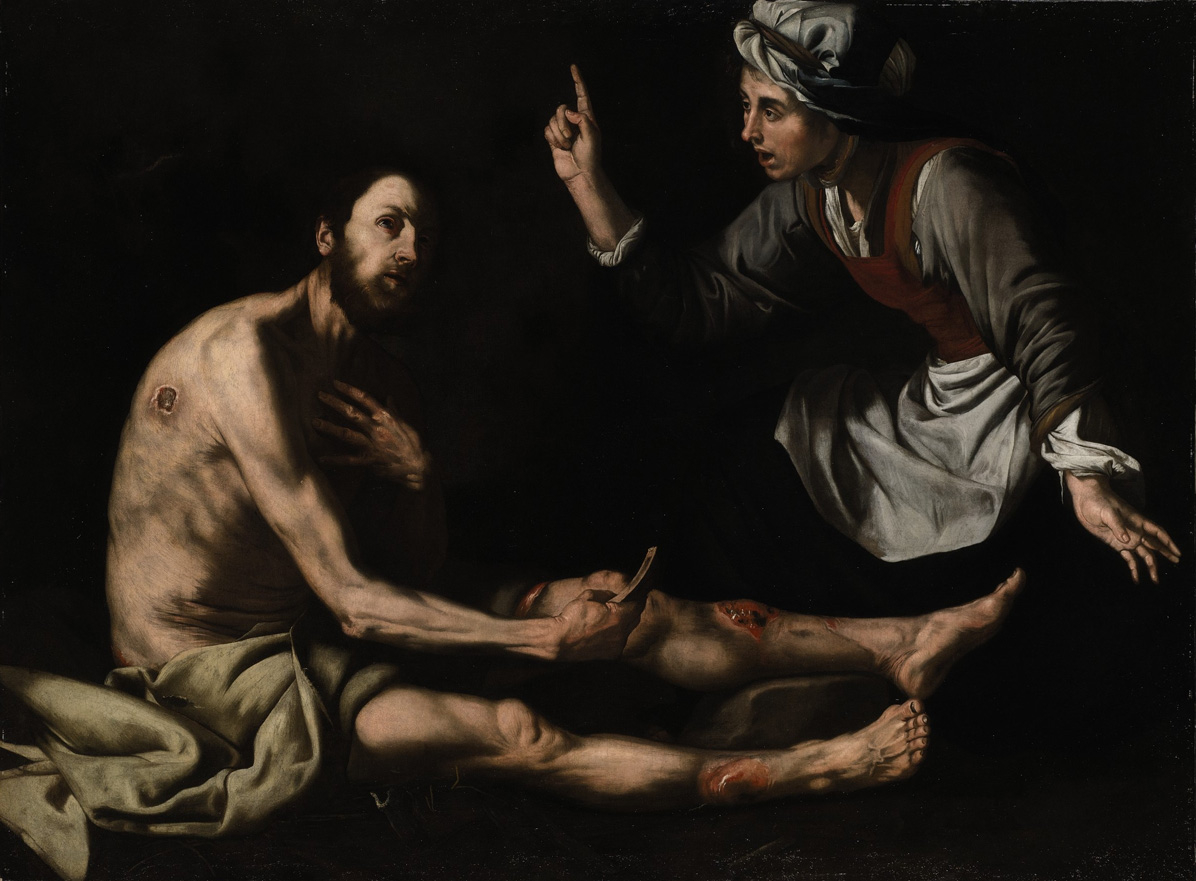
Job art

I’ve been putting a lot of pressure on myself this month to create meaningful content. But I don’t have much to say.

I rant and discuss and reflect often enough, but my brain is too scattered, too absorbed in the task of figuring out what I’m going to do with my life, to spew out anything coherent or meaningful.

Everything’s been fine. But as I settle into living here – as it becomes less like a vacation – I’m restless to just get on with my life:

To change the world, or at least a small part of it.

To know my path.

To achieve something visible, tangible, momentous.

To feel, each day, that I’m living life right.

And I’m past the point of thinking that there’s one particular right path I was predestined to follow. I recognize the big lie that success is measured by high levels of both stress and income. And I daily stop to remember that I’m young – and I repeat all the cliche phrases that accompany that thought for good measure.

There’s a misplaced, or displaced, drive, I think. I want to Do Something. I’ve gotten used to people telling me what to do and how to plan my time.

The whole point, I guess, is that it’s up to me to create and follow all the steps. The safety wheels and floaties are actually off now. I have to make decisions and follow through. But I also get to be in charge and achieve something and bask in the results.

I’m mostly afraid that I will collapse into the ashes of my bankrupted dreams – that the light will flicker out, that I’ll end up a prisoner to absolute failure.

* image source: JOB ON THE ASH HEAP, JUSEPE DE RIBERA

food for thought


“If you do really like what you’re doing…you can eventually become a master of it…and then you’ll be able to get a good fee for whatever it is…it’s absolutely stupid to go on doing things you don’t like…and to teach your children to follow in the same track…to bring up their children to do the same things. It’s all retch and no vomit – it never gets there.” – Alan Watts

at home: heirloom marriage certificate

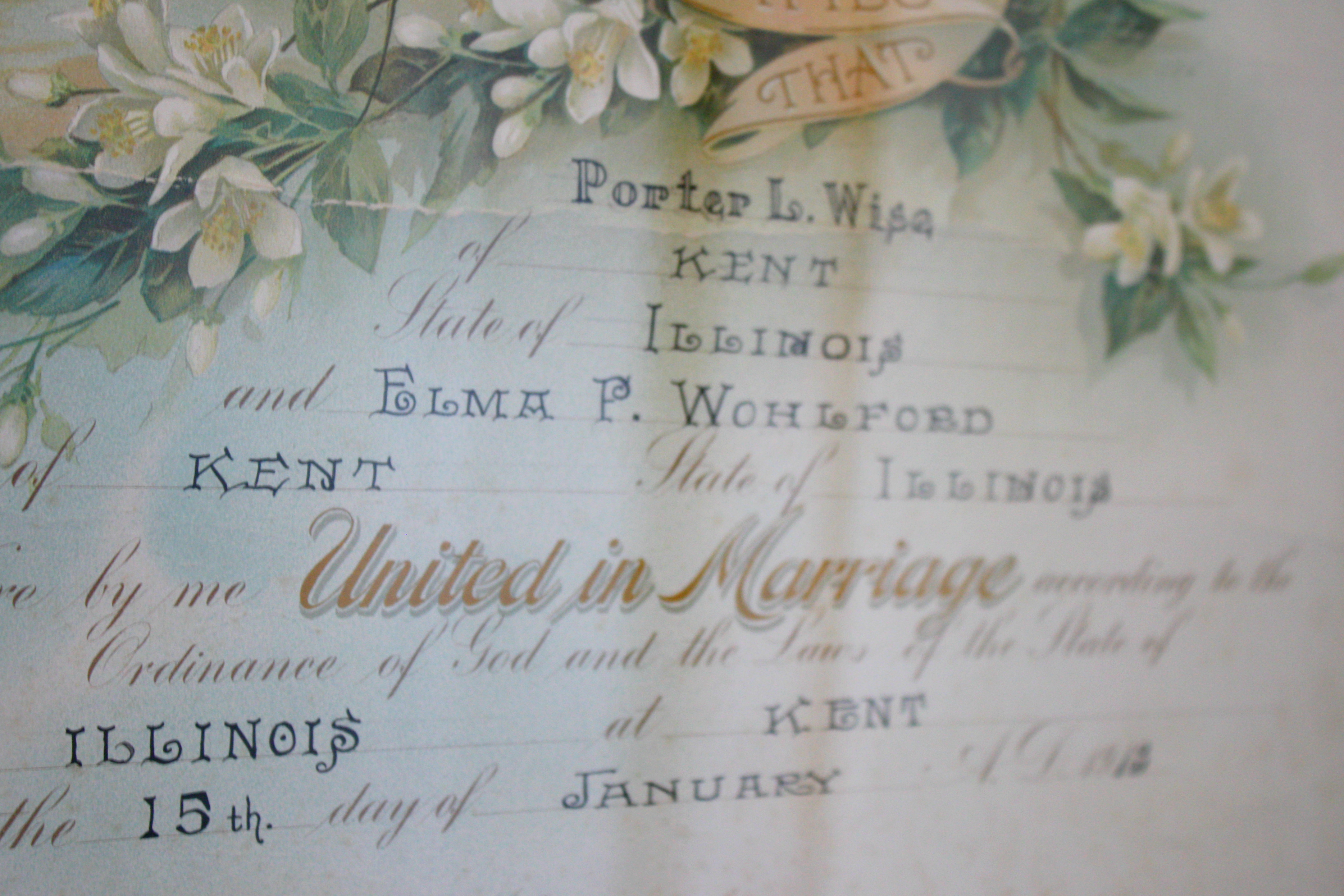
We carried home a nice assortment of family heirlooms after a visit to Daniel’s grandparents’ house last summer, including the 1913 wedding certificate of Daniel’s great grandparents.

Dated January 15, 1913, it’s the oldest personal historical item we own. I love everything about it: lovers on a calm sea at sunset, the little cherub, floralia galore, and pretty type. I don’t think Daniel met Porter or Emma Wise, so it’s lovely and a bit eerie to have this connection to them. It’s also nice – in our own, still new marriage – to feel connected to a couple who married over 100 years ago.

We keep it on display in the bedroom in a simple frame with gallery quality UV glass to deter additional fading over time.

century old marriage certificate heirloom 1913 art antique marriage certificate bedroom we5Family heirlooms have great nostalgic and historical value, even in an age when the new and innovative compete for our attention.

week(s) in photos

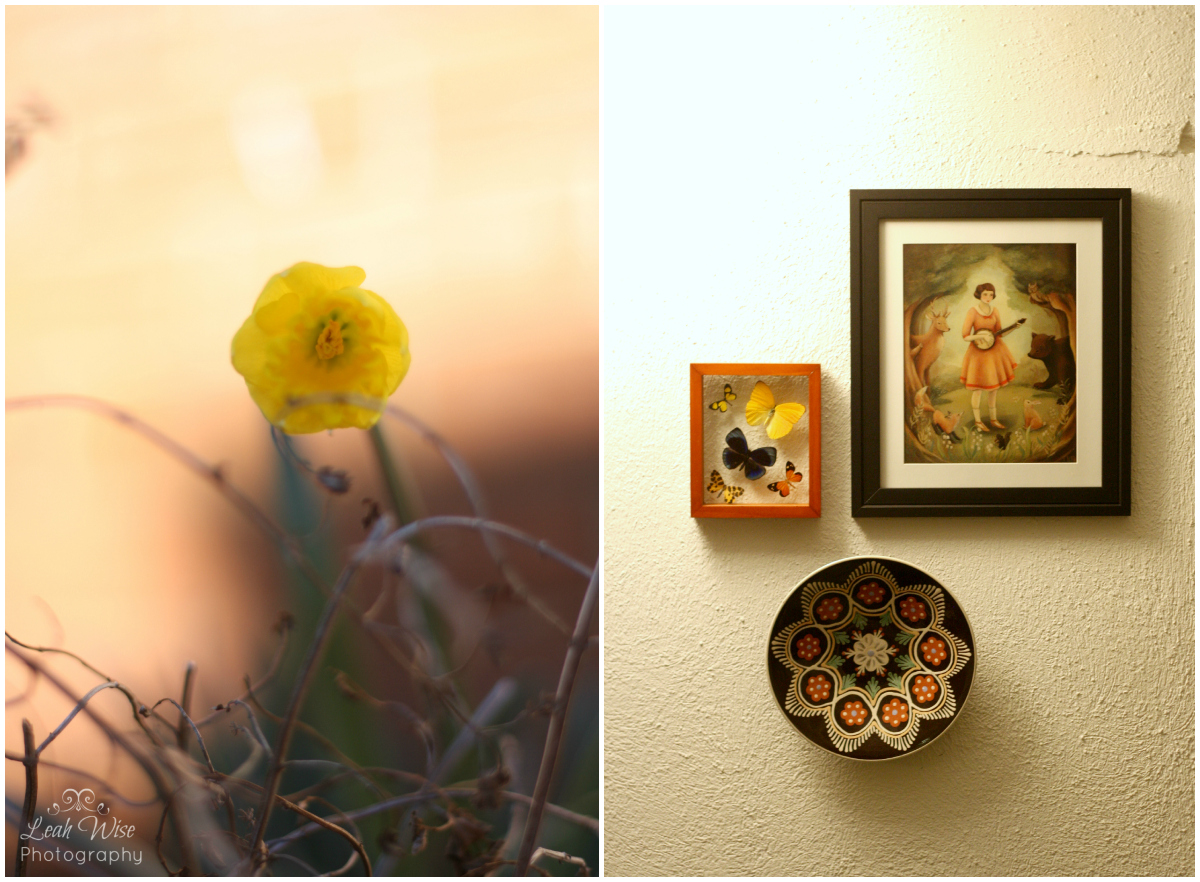
leahwise - alphabet shirt leahwise - tea leahwise - skeleton keystyle and tulips leah wise leahwise - tulips leahwise - daffodilleahwise - watermark and wall art

  • Photographing things to sell on ebay
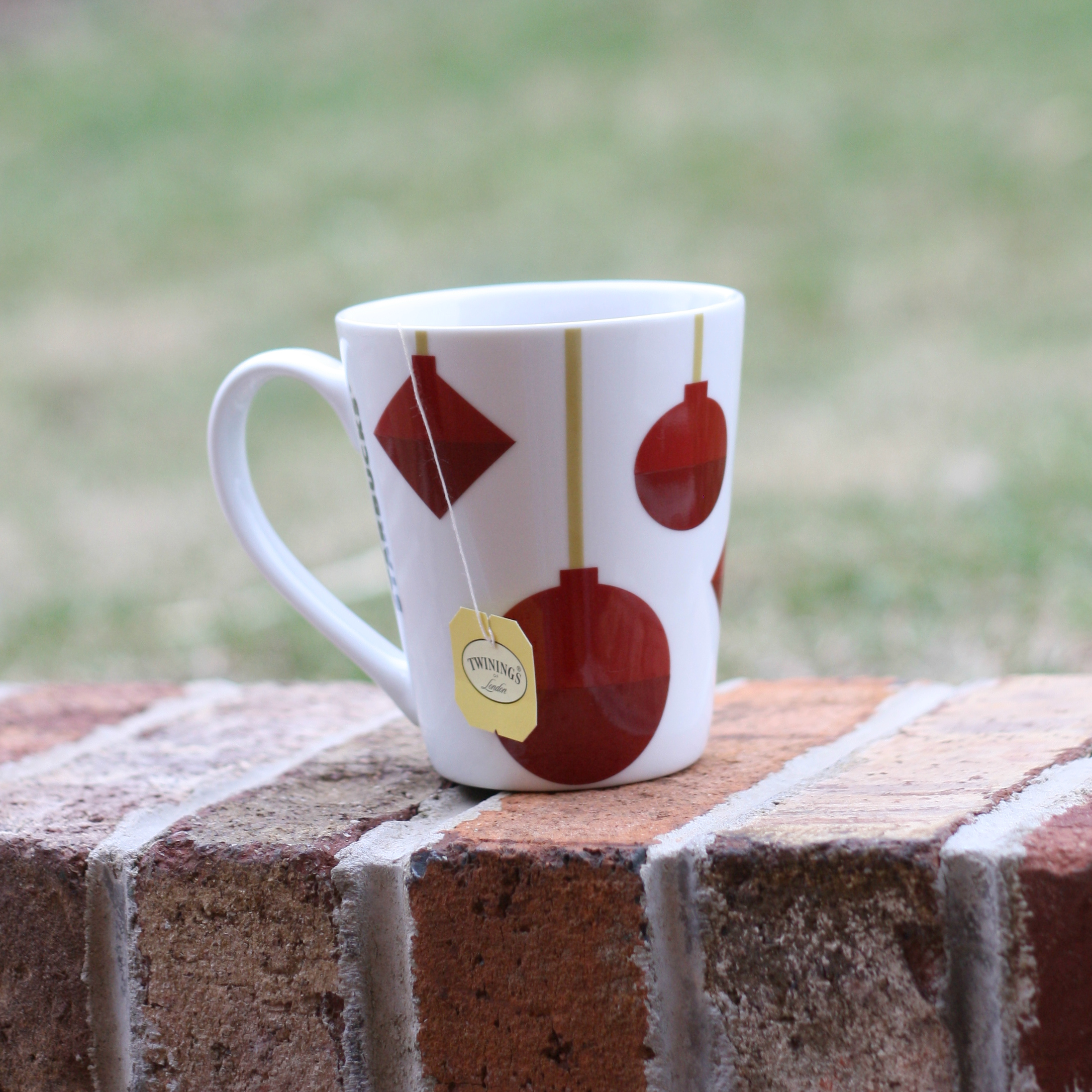
  • Attempting to capture steam on a cool day
  • Skeleton key necklace for sale at Water Lily Thrift
  • Cut and dyed my hair
  • Tulips for Valentine’s Day
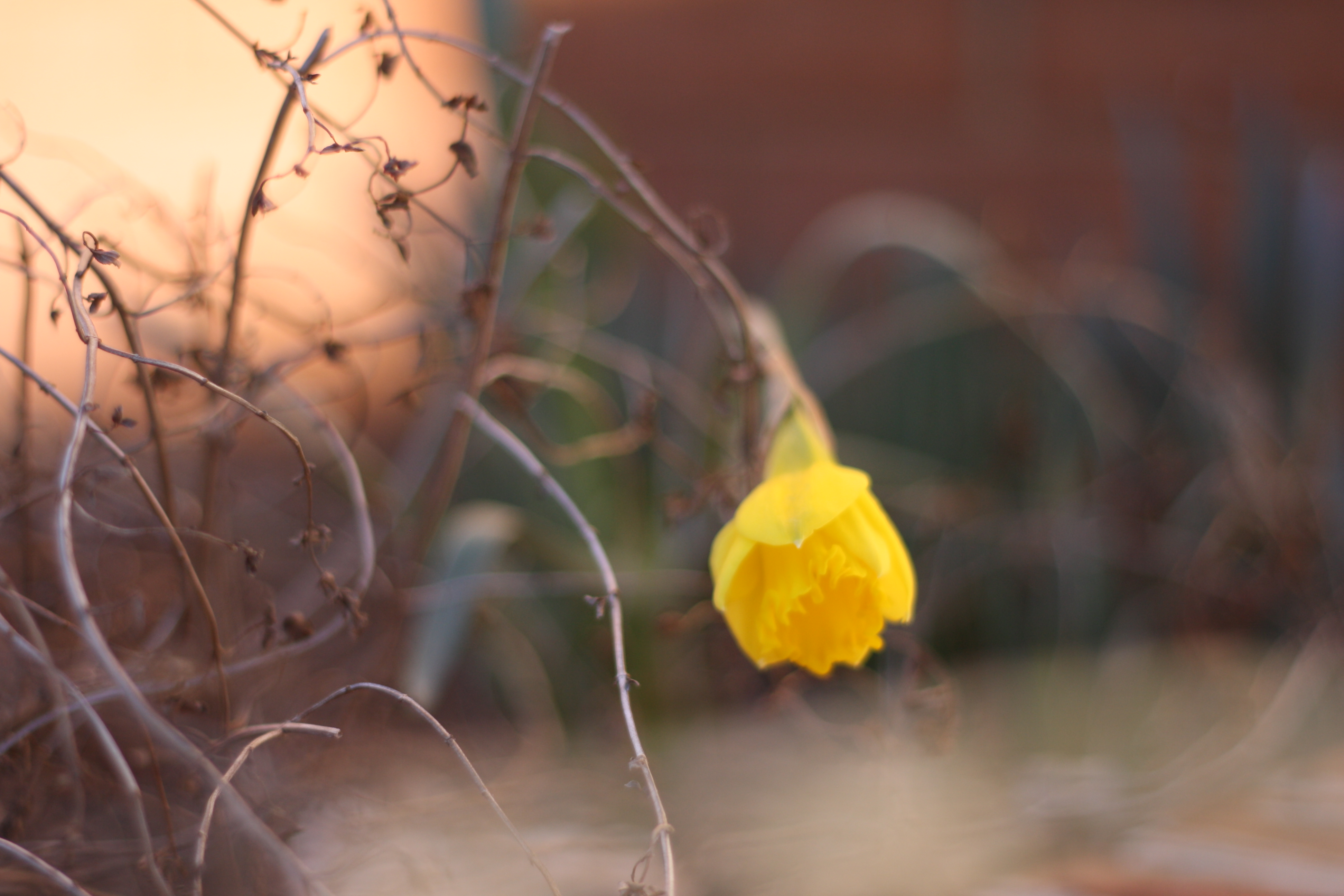
  • Daffodil in bloom
  • Testing my new watermark
  • New wall art arrangement

Lenten reflections & goals

tulips

I grew up an Evangelical Christian, though thankfully within churches that provided a broader worldview than strict fundamentalism. Although I don’t recall hearing any explicit anti-liturgical speeches from the pulpit, there was a below-the-surface distrust of liturgical traditions as well as a widespread belief that Catholics weren’t really Christians (though I never understood that). The only parts of the church calendar we followed were Christmas (we also tossed around the word Advent occasionally while not actually practicing it) and Easter.

As I learned more about the founding of evangelical movements in the United States, I came to understand that this separateness – this stubborn individualism – developed, in part, to bring Christianity into the hands and hearts of the masses. I think that’s a good thing. But I also think that throughout the complex and tangled history of Christian movements, we’ve had a tendency to throw the baby out with the bathwater. As an adult now with a wider view of Christian tradition, I see value in the familiarity and routine the church calendar provides. As Advent left its restorative mark on the Christmas season for me last year, I anticipate that Lent, too, can provide opportunity for reflection and transformation. I’ve participated in it half-heartedly for several years, but I’m ready to make a commitment to it practically and spiritually.

Lent is a season of repentance and self-denial leading up to the observance of Christ’s death and resurrection. It is intended to remind us of Christ’s grandiose and restorative act of self-sacrifice on the cross juxtaposed against our own human frailty. We reflect somberly on our fallen state to amplify the grace that arrives daily with the knowledge that Christ is risen indeed.

Lent, it seems to me, is not practiced well if one only considers what one is giving up. My  high school friends from liturgical traditions would give up soda or french fries every year, but could never explain to me the significance of the act. I scoffed at their ignorance when I should have scoffed at my own.

Giving something up, it turns out, is about penitence: it’s not just a project in self control but a strict disciplinary action taken against ourselves, a reminder that we are rowdy and undisciplined by nature.

The vital next step is to realize that giving up bad habits clears up space for spiritual reflection. I’m terrible at meditating on the character of God, on seeing myself as someone in relationship to and with the Divine. It wasn’t always that way; I spent a long time wanting my old spiritual awareness back instead of recognizing that I could progress toward a new and better spiritual life. I’m ready for progress.

This Lenten season, I’m giving up rewarding myself with non-essentials (clothes, books, makeup, etc.) and taking on better spiritual practice. I intend to read more theology, pray more, and intentionally seek out ways to practice kindness and self-sacrifice. I’m replacing bad habits with good ones. I’m filling the void instead of wallowing in it. I recognize my shortcomings and repent from them more fully, I think, when I compare them to the vibrant spiritual life I could live instead.

I encourage you to meditate and reflect on your life in relationship with Christ as you trudge through these final days of winter, as you look forward to the rebirth and joy that arrives with spring.

unrelated statements

blue glass and twigs

Sorry for the silence this week. I’ve been stuck inside and haven’t felt particularly inspired to write anything. We had two inches of snow on Friday, but my camera battery died. I ventured out in the evening with my film camera instead. I’m sure I’ll be pleasantly surprised by whatever I captured 6 or 7 months ago on the beginning of the roll when I go get it developed later this week.

I got in a minor car accident last weekend and have been anxiously awaiting the verdict so that I can move past the whole, stupid event.

As I’ve repeated here, I’ve been feeling melancholy for several weeks, likely due to the cold, sometimes dreary, weather. At the women’s small group I attend, one asked why we insist on running our lives at the same, steady rate in the winter months when other mammals take a break. That question and subsequent conversation helped me calm the inner voice that told me I wasn’t trying hard enough. The fact is that I’m cold and I feel under the weather almost every day. I need to give my body a break. As a result of that breakthrough, I’ve experienced a better, more efficient week overall.

I also bought a tea kettle. I’m addicted to its steam whistle and have been having a nice cup of earl grey every afternoon.

We attended our church group’s monthly potluck last night. As always, I found myself inspired and greatly amused by the various conversations in which I partook. Each time I get to know someone a little bit better. I’m glad to have had the opportunity to socialize in a low stress setting. I needed it.

Today I plan on listing several items on ebay and etsy, so keep a lookout.

I hope you have a nice Sunday and a satisfying week.

I am not less

graduate photo

One Saturday night a few weeks ago, Daniel and I were in the car on the way to a potluck dinner where several grad students would be present when he asked me:

“Why do you act embarrassed that you’re not in grad school?”

I replied, “Because I am embarrassed. And I’m embarrassed now that my embarrassment was so obvious that you picked up on it.”

Here’s my confession: I’ve been embarrassed that I’m not pursuing grad school since the semester before I received my undergraduate degree.

That was always the expectation, at first from only myself and later from everyone (at least as I perceived it): peers, family, professors, coworkers, friends. I heard them saying, implicitly or aloud:

Leah is the grad school type. Leah is smart and motivated and needs to use her academic talent to better the humanities. Leah is too good to leave academia. Leah’s job as a nanny/framer/barista is obviously temporary – we know she can do better

But here I am, two years later, not in grad school. And I can’t help feeling like a disappointment to myself and everyone who invested in a dream that may have been more theirs than mine all along. And I have to learn to cope with that. To not be ashamed of myself just because I don’t have a title or prepared statement for that pervasive, incessant question: “What are you doing with your life?”

Do I have to know what I’m doing with my life? Does anyone ever stick to their early-20s response? And if they do, are they satisfied?

I need to work through my feelings of inadequacy. I need to see value in myself as a living human being trying to better myself and be good to others. I need to recognize that I am enough as long as I strive to make life meaningful – by the moment and the hour and the day.

I need others to grant me the space to breathe. I need others to have the self-respect to see themselves as more than their resumes or academic accolades so that they can see me in that light, too.

I’m trying to internalize the truth that I don’t have to – and probably shouldn’t – measure myself by someone else’s standards for success. I’m trying to overcome the pull of the myth that the highest form of human being is the employed scholar. I can be who I want to be, read what I want to read, and discuss in depth what I want to discuss without a piece of paper that tells others I’m an expert, that tells me I have the right to speak. And I can do other things too. And I have the right to respect myself for grand things like my entrepreneurial goals and lowly things like my ability to make a great cappuccino.

And I am not less for the decisions I’ve made or the place I’m in. 

images & inspiration

The weather was blindingly cold today (that will make sense to you if you had to walk outside facing the wind for any length of time), so I felt no desire to venture out once my shift at work ended. Instead, I’m sipping my second cup of Oolong tea and enjoying some quality time with pinterest while Daniel reads excerpts of his school reading to me.

pinterest collage

  1. A little house with a yellow door
  2. Eley Kishimoto for Clarks Desert Boots
  3. Leather jacket and polka dots (no link available)
  4. Shallow dof + storefront + love
  5. Swedish design is so in right now
  6. I want to stay in that house for awhile
  7. American Eagle Tie-Dye Denim Corset Dress