At the Fault Line of the Resurrection

A Sermon for Easter

I shall not die, but live,
and declare the works of the Lord…

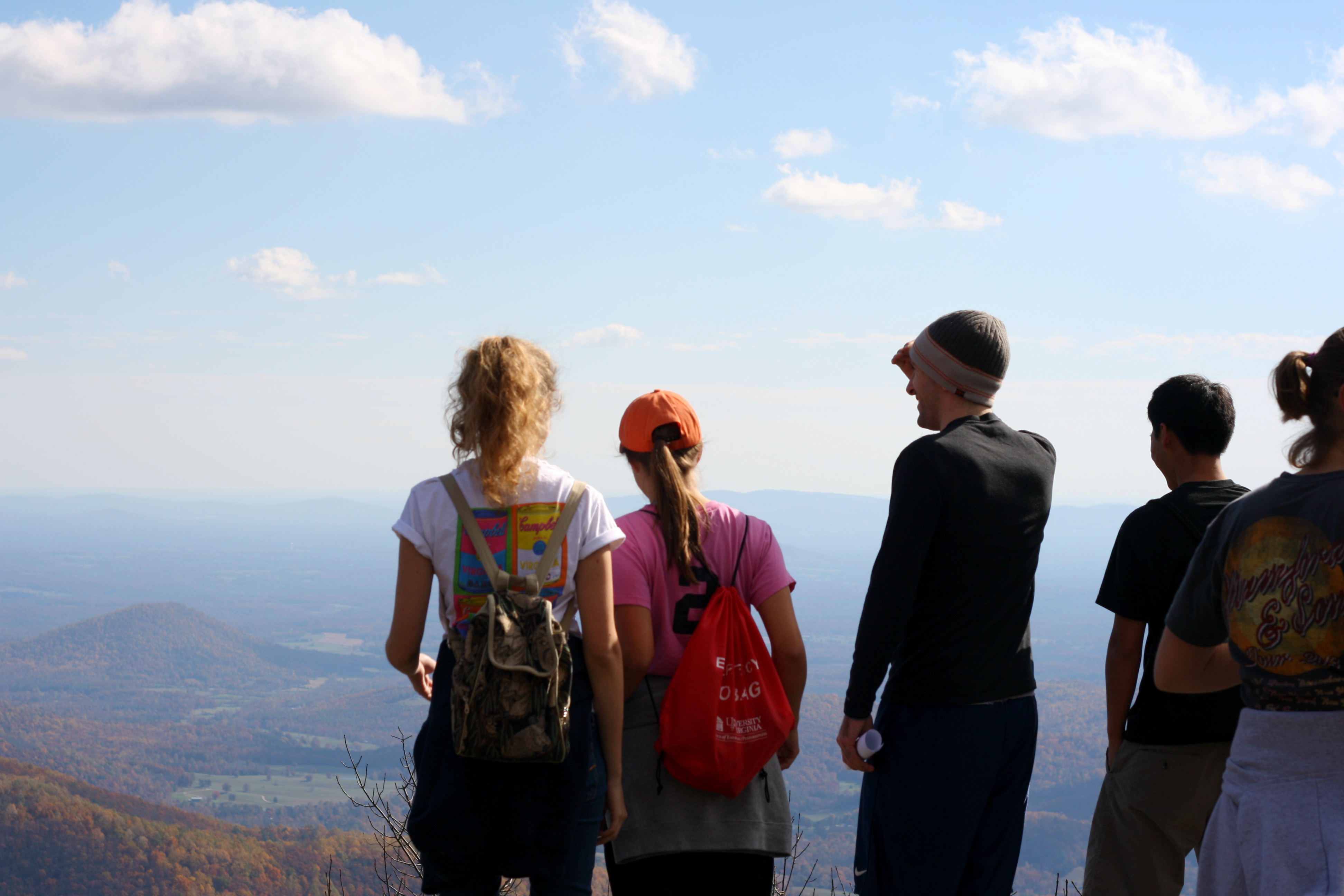
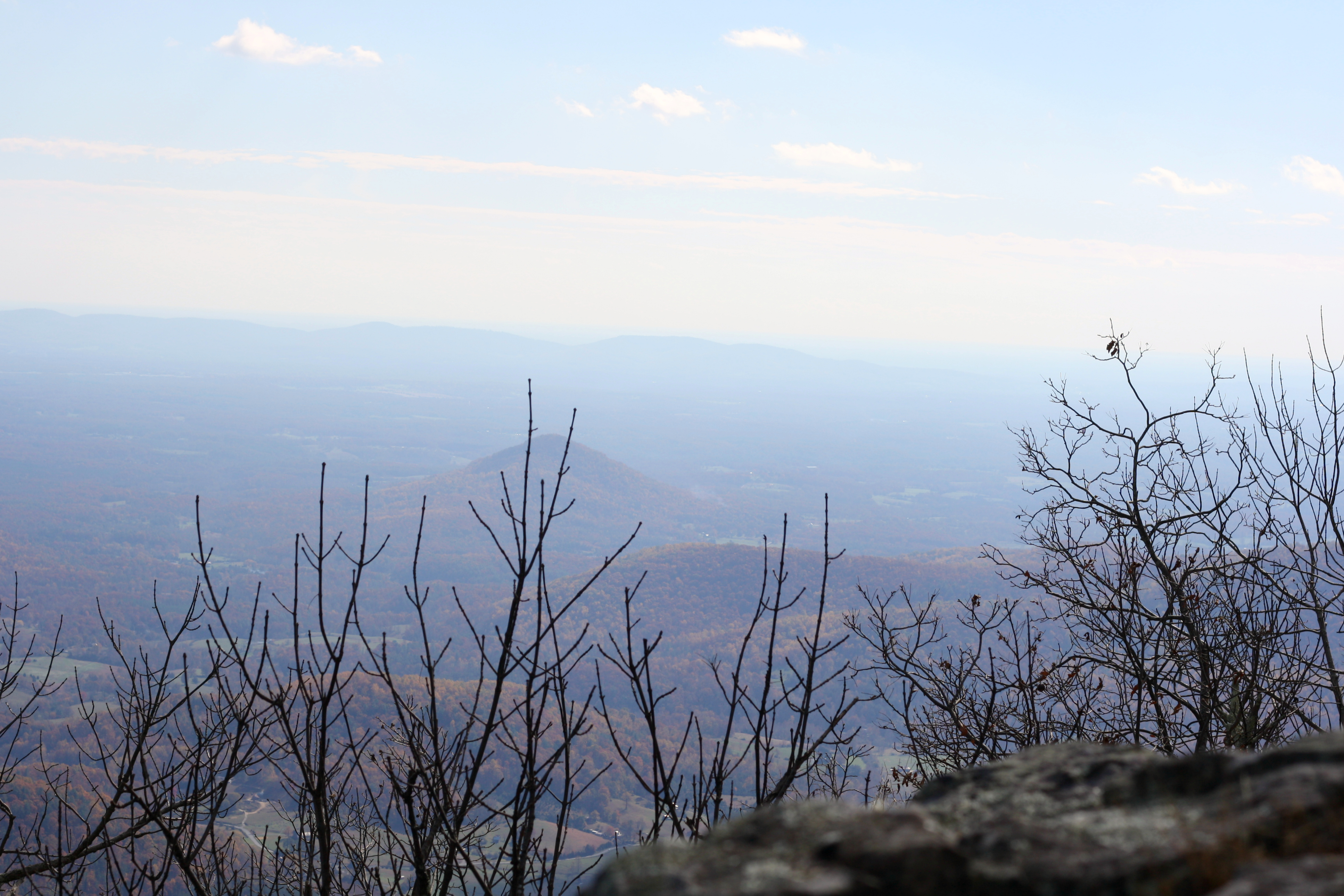
shot of hill country in texas with bird flying over
Photo by J. Amill Santiago on Unsplash

This morning, we join Mary and the disciples at the threshold of the tomb.

As we poke our heads into that dark cave in the hill country outside Jerusalem, we brace ourselves for the stench of death, and find it empty.

In the long hours after Jesus died, we were trying to be strong. But the absence of a body finally breaks us. Our worst fear already came true, when the man who promised he would save us, died on the cross. But now, Jesus is really gone, and it feels like a second death.

Now, hope is dead. And there is no possibility of closure, only the bodily ache of despair.

But, just as we are hit with a fresh wave of grief, we turn our faces toward the blinding light of the morning as a mysterious messenger beckons us:

“Do not be alarmed! Do not weep! The longing you have held in your body, the fear and the hope, the promises you were foolish enough to believe – all of it has been redeemed! All of it has been transformed!”

Against all odds, Jesus Christ was dead, and now he is alive.

Here we are again, this Easter morning, standing at the threshold of the tomb, gazing into an empty burial chamber in amazement. Daring to believe in resurrection.

We stand at the doorway between darkness and light, fear and hope, death and life. Here, at the threshold, our perspective is broadened. We finally have the vantage point to understand the truth of all things: Here, in this space between all we thought we knew, and all that Christ is making new, the way we order the world breaks down. The dichotomies no longer make sense. In view of the risen Christ, “even the darkness is as light.”

At the empty tomb, we see everything with new eyes. NOW, we live in the ambient light of the Savior, the living Word, who created all things and redeems all things.

There is no need to fear the future. Because Jesus Christ is risen, and all things grow toward his light. In fact, there is no need, even, to hope. Because what our ancestors have hoped for since Eden has already come true.

We’re not yearning for the old days, or waiting for better ones. Heaven has come to earth, and paradise is here!

New life bursts forth at the threshold of a tomb in Judean hill country.

Here in Austin, we are intimately familiar with thresholds, in the geological sense. That’s because we quite literally live on a fault line. The city is built on a geological landmark called the Balcones Escarpment.

map of fault lines and zones in Texas
Balcones, and the Mexia-Talco-Luling Fault Trends, where black lines are faults, the blue shaded area is the Claiborne Group, yellow is the Jackson Group, and tan is the Wilcox Group (Image: Public Domain)

As Austin resident Stephen Harrigan put it in a 1987 article for Texas Monthly,

“The Balcones Escarpment…is geology’s most fateful mark upon the surface of Texas, a bulwark of cracked and weathered rock that extends in a pronounced arc from Waco to Del Rio. It is the Balcones that creates the Hill Country, that sets the stage for the Edwards Plateau and the High Plains beyond. The cotton economy, for our schematic purposes, ends at the base of the escarpment, where the rich blackland prairie…runs literally into a wall. Above that mass of limestone there is only a veneer of soil, and the country is hard, craggy, and scenic—cowboy country. The distinction is that sharp: farmers to the east, ranchers to the west.”

On the east side of town where we are right now, you can still see traces of fertile farmland. Each day when I come home, I have to be extra careful not to track fine, black dirt into my living room.

But just a few miles west, the landscape suddenly transforms into hill country. The ground rises up in stops and starts to reveal red clay and rocky passes.

The first time you drive west toward Lake Travis, you might find, like I did, that “amazement seizes you” at the sudden shift in perspective.

Like the Psalmist, maybe you’ll exclaim:

“This is the Lord’s doing,
and it is marvelous in our eyes.”

The landscape here, not unlike the culture, is a juxtaposition of abundance and want, softness and hard living, simultaneously quaint and exhilarating.

But you should know that the Balcones Escarpment isn’t the only interesting thing about the fault line. The result of a violent collision of earth that occurred 20 million years ago, the Balcones Fault Zone also produced the Edwards Aquifer.

Basically, when the ground was pushed up into hill country, it was also pushed down into deep ravines and caves. Rainwater flooded these hidden caverns, forming underground springs that provide water to local waterholes, the Colorado River, and the households of most of Central Texas.

These aquifers are literally what make life possible here.

So, if you’re having trouble finding the fault line, just look to where green things grow and people gather. Amid the tumult, and against the odds, life is nurtured and sustained, right here, at the threshold.

Like so many who settled here before us, the perspective of this place might grip you.

Living here, at the site of a geological wonder, you are living proof of a bigger truth: that the ways we sort the world, into good and bad, salvageable and broken, safe and dangerous, habitat and wasteland, no longer make sense in view of the fault line.

From this vantage point, we see things differently: All of it is redeemable. All of it holds hidden possibility. All of it can be made new.

At the fault line, you realize you no longer need to let yourself down easy. You no longer need the old stories or the doubted promises. Things can be bigger, and better, and more beautiful than you imagined.

Here at the threshold, life is bursting forth.

Today we worship in a church, formed at a geological threshold. And we stand with the disciples, at the fault line of the resurrection.

We have held the black earth of the east while gazing up at the red hills to the west. We have drunk the pure water from aquifers borne of violent shifts below the surface.

We dare to proclaim that the old things can be made new. We insist that life is persistent, growing in crevices and dusty hills, against all odds.

We have seen with our own eyes how the death of an old world can create the conditions for abundant life.

And if all this is true, just about the ground we stand on, how much more is in store for us, who proclaim the resurrection of Jesus Christ, the Son of God, the redeemer of the whole world!?

On Easter, we declare that, even in darkness, life is bursting forth!

And so, we proclaim: Alleluia!

“O death, where is thy sting?
O grave, where is thy victory?”

Christ swallowed up death and shifted the tectonic plates. Resurrection is here.

Two thousand years after the disciples peered into the empty tomb, we still bear witness to the Risen Savior.

We still dare to be faithful, in a fickle and distracted world. We still dare to believe in the reconciliation of all things, and all people. We still dare to see the bigger picture.

A dead man crossed the threshold of a tomb. Now, we know that life is always possible. Even death carries the seed of resurrection.

I shall not die, but live,
and declare the works of the Lord.

Amen.

Everyone Who Searches

22670026And everyone who searches
finds – maybe not
the missing button, maybe
an old note, yellowed photo
with a missing corner.

And you realize
what you find is
good enough,
or better

And the cardigan can
do without mending –
its gapping filled
for now with a memory
of summertime,
or last year’s loss
– you never lost at all.

It was hiding under the bed,
stirred awake,
an answer. The question
never mattered.

———

“Be patient toward all that is unsolved in your heart and try to love the questions themselves, like locked rooms and like books that are now written in a very foreign tongue. Do not now seek the answers, which cannot be given you because you would not be able to live them. And the point is, to live everything. Live the questions now. Perhaps you will then gradually, without noticing it, live along some distant day into the answer.” – Rilke

Like Paul, Like Kelly

Like Saul, Kelly Gissendaner plotted to kill the innocent. Like Saul, she was an enemy of the righteous.

Like Paul, Christ spoke life into her and, because of her, many were saved. Like Paul, she was killed by the state.

May we be like Paul, and like Kelly, and remember where we came from and where Christ brought us. May we sing Amazing Grace in our final moments. May we foster mercy in our hearts against reason and wage love against the pain.

“…and immediately he began to proclaim Jesus in the synagogues, saying, ‘He is the Son of God.’ All who heard him were amazed and said, ‘Is not this the man who made havoc in Jerusalem among those who invoked this name? And has he not come here for the purpose of bringing them bound before the chief priests?’ Saul became increasingly more powerful and confounded the Jews who lived in Damascus by proving that Jesus was the Messiah.” (Acts 9:20-22)

frost bitten

You’ll be kind and
never lose your temper
and no one will misunderstand
your jokes. You’ll

wake up early and listen
to the mourning dove
sing     dooo
dooo               do-do-do
low-high calling
the new day good.

You’ll always have spare
change for the panhandler
at his median post. You’ll be

better.
You’re just a little bit good
for now.

But the You that matters
is the you that exists.

And she hits snooze and grumbles
through morning coffee, forgets
to take out the trash.

She whines and her
words don’t always
pour over wounds like soothing
balm. Sometimes,
she lets wounds fester.

But at least she exists, here,
now, placed for a season,
planted and occasionally watered.

You’re aloe with frost
bitten tips, but
you’re alive, and can still give
of your rich pulp.

Remember this,
God uses the You you are.

on suffering

If you’re trying to resolve the problem of suffering and wrap it up in a neat little package, you’ll only be disappointed by Christianity.

Christianity doesn’t answer that question. It dwells in the suffering. It acknowledges it, laments it, and looks for ways to reduce it, but it doesn’t tell you why.

A friend recently said that what strikes him most about Christianity is the image of the Suffering Christ. When tragedy strikes, Christ suffers. He dies again and again. Immeasurably deep empathy for the human condition.

Christianity doesn’t answer the why; it asks us to turn from our inward need to understand and look out to help alleviate suffering in the world. I can sit here and shout “Why?!” or I can go out and do something to end it, even while I knowing it will not end.

Christianity asks me to sit with the questions, but not alone. I am increasingly convinced that Christianity is a communal religion; it must be done with others; we acknowledge what we do not know, together.

Nothing can be wrapped up in a neat little package.

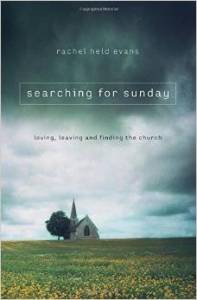
review: Rachel Held Evans’ Searching for Sunday

searching for sunday review

Rachel Held Evan’s Searching for Sunday is about church: its triumphs and failings, its hypocrisy and grace. Rachel, like me, grew up in a well-intentioned Evangelical community where the Bible is accepted as fact and the “plain truth” is within easy reach. It’s a culture of black and white morality, where spiritual cliches are a dime a dozen, rolling off the tongue the second something happens that doesn’t jive with the accepted worldview. Naturally, it has its limitations. Suffering is not easily alleviated with a dismissive utterance of “it’s all in God’s plan.” Rachel, like me, was encouraged to have a sense of ownership over her personal relationship with Jesus and, when the questions she wrestled with in the quiet started to gain momentum – when she started to ask them out loud – the church was unequipped to answer in anything but cliches.

Rachel, like me, flailed around, trying out new churches and new denominations, but the questions burned unanswered still, and she left.

Searching for Sunday‘s framework, quite fittingly, is the Sacraments: Baptism, Confession, Holy Orders, Communion, Confirmation, Anointing the Sick, and Marriage. These themes, like the Sacraments themselves, act as a jumping off point for a journey of faith. They encourage exploration and mystery; they don’t operate in spiritual cliches. One begins to realize that sometimes, the best answer to our questions is simply the space to wrestle with them. Rachel deals eloquently with this wrestling, acknowledging that the hurt sometimes makes it impossible to be in community, but always seeking the Truth of Christ’s unconditional love. She never gives up on that, and I think that’s the key to learning from the dark times in our spiritual lives. You may feel directionless, but you are moving forward if you are oriented toward love.

Searching for Sunday is memoir, but it is more than that. It’s theology. Steeped in the Gospel narratives, deeply respectful of those first disciples, and appreciative of the long, tumultuous years of violence perpetrated by and against the institutionalized church, it seeks to explore and understand what it looks like to do church now. It reminds us that Christian community was essential from the very beginning, that we don’t get to do Christian life on our own. 

Searching for Sunday gave me closure. I’d been hurt so badly by the church years ago, and I thought I’d moved on. But the truth is that I needed this reassurance that my pain was real, that my concerns were legitimate, and that the dark path I trudged through in the aftermath of leaving was not in vain. I needed someone to say, simply, “me too.”

As I sit here now with the sunshine streaming through the window and the birds singing and a cool spring breeze hitting my legs, I can tell you that I’m no longer searching for Sunday. I have found home in church community again. I am thankful for the path, and the hands that held me in the darkness, nudging me forward. I am thankful for space for the questions. I am thankful that God gave Rachel Held Evans the voice, and the heart, to tell her story, because it is my story, too.

I received an advance copy ofSearching for Sunday Searching for Sunday for review. Searching for Sunday is available for preorder here. It’ll hit store shelves this Tuesday, April 14.

*Artwork: Baptism by Ruth Catherine Meharg; used with permission.

Good Friday

In 2011, God was silent. I didn’t stop believing, but I was numb. Numb like cold fingers in the middle of winter: on the brink of frostbite. I was terrified of losing the religion, the community, and the language of faith that had been central to my life as a child and young adult. The stillness made me feel unhinged.

Perhaps as a way of coping with not knowing what the future of my faith looked like, I found other practices – other rituals – to fill the void. And in retrospect, the quiet cleared the clutter, opening up space for new ways of thinking and being.

I also read Still by Lauren Winner, a book I’d recommend to anyone feeling existentially lost. I realized I’d been waiting for my faith to return or to grow back to just the way it was before the silence when I should have understood this dark period as part of the path.

There is nothing wrong with feeling numb. There is nothing wrong with stillness. Nothing is lost in the process – you are still you, God is still God (much different and much more complicated than we can imagine, I’m sure), a community is waiting somewhere to love you for who you are, not what you profess on any given day.

Today I feel stable, but not always certain. I feel loved, but I’m not always sure it’s unconditional. But what I know is that living with grace and intention will never be the wrong path. See people and love them anyway. Forgive. Work toward justice. Leave yourself vulnerable to the fulfillment and pain of love.

Christmas is coming

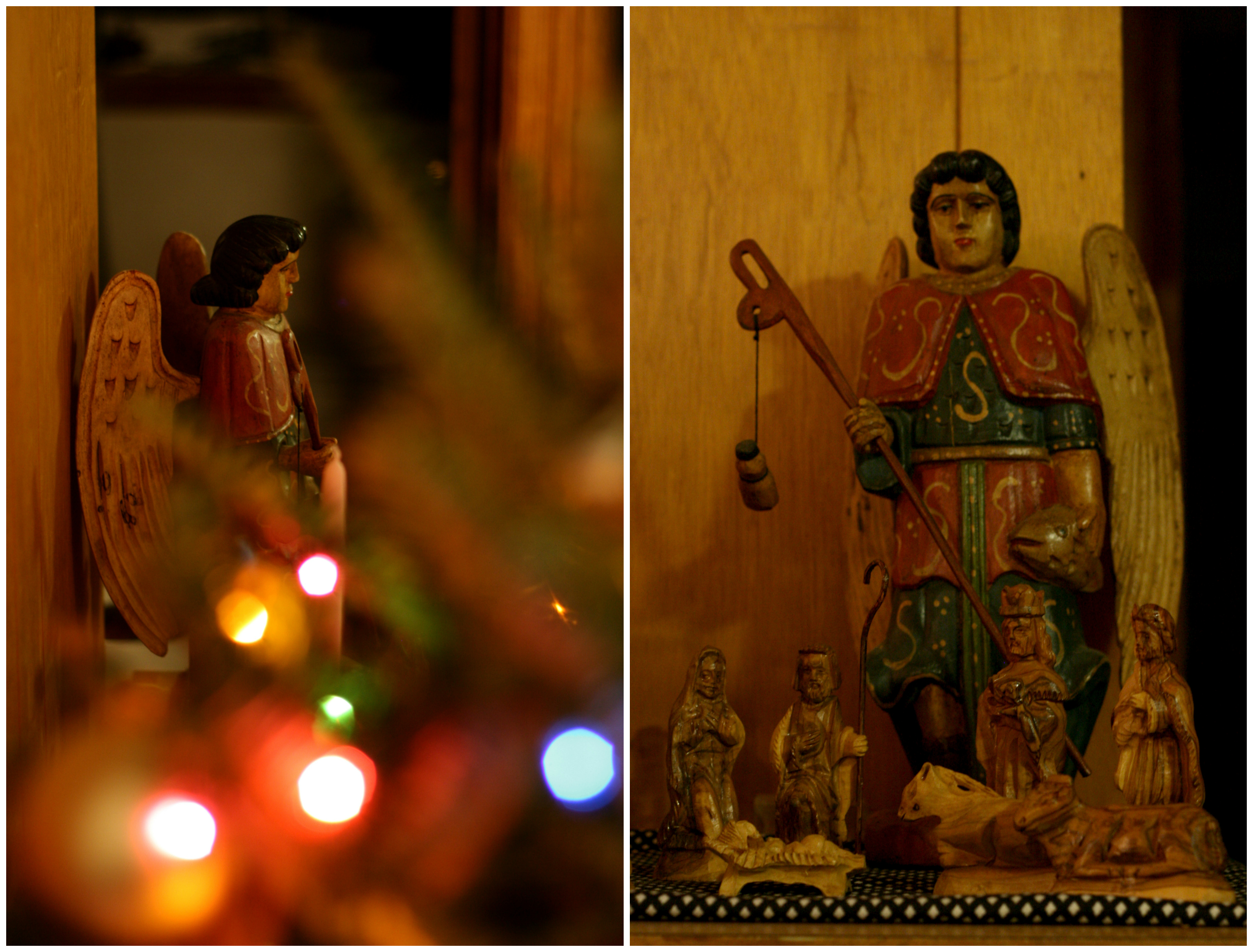
awesome yeti ornament nativity scene f10f5 f11

We finally got a Christmas tree! It’s rather small, several feet shorter than last year’s, but it’ll do. Ah, the smell of evergreens. Daniel found a hand-carved nativity scene on ebay last month, so we placed it on our side table next to the tree. I love that St. Raphael the giant archangel watches over the scene.

This past weekend was full of Christmas cheer. We sang carols around the piano at a cocktail party Saturday night, watched the church children’s pageant yesterday morning, and attended our church’s Lessons and Carols service in the evening. Since I’m in the church choir now, I got to participate in all the special music and help lead the congregation in song. I love Christmas when it’s celebrated with intention, ritual, and care. Christmas without the observance of Advent isn’t nearly as lovely (I say this coming from a non-liturgical background)!

“Go and tell John what you hear and see:
the blind regain their sight,
the lame walk,
lepers are cleansed,
the deaf hear,
the dead are raised,
and the poor have the good news proclaimed to them.
And blessed is the one who takes no offense at me.”

– Matthew 11:4-6

first sunday of advent

hk7

Besides this, you know what time it is, how it is now the moment for you to wake from sleep. For salvation is nearer to us now than when we became believers; the night is far gone, the day is near. Let us then lay aside the works of darkness and put on the armor of light; let us live honorably as in the day, not in reveling and drunkenness, not in debauchery and licentiousness, not in quarreling and jealousy. Instead, put on the Lord Jesus Christ, and make no provision for the flesh, to gratify its desires. – Romans 13: 11-14

hiking at Shenandoah

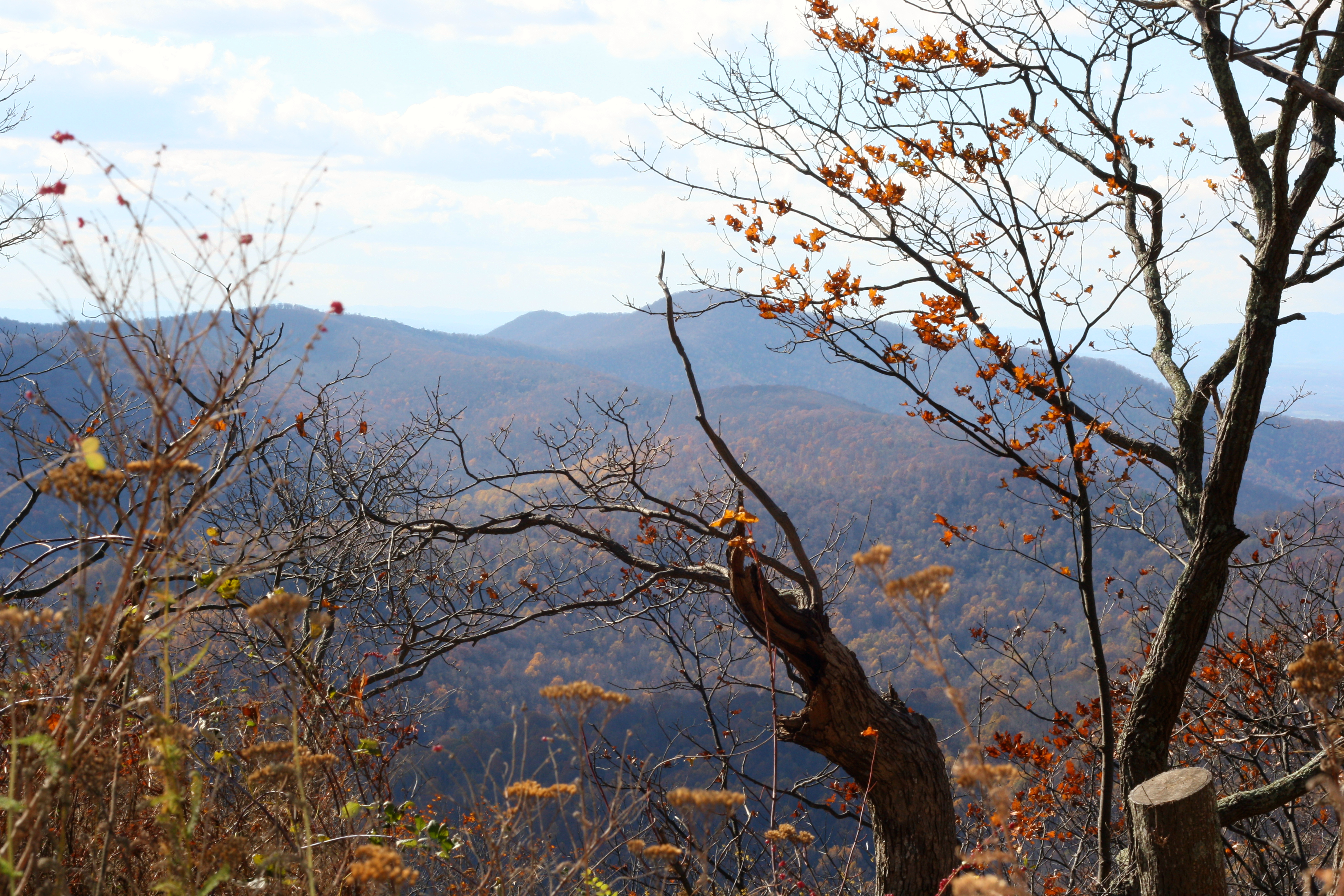
hike shenandoah national park hk33hk6 hk7 hk10 hk11 hk13 hk14 hk26 hk29 hk25hk28I went on a 5 mile hike on a section of the Appalachian Trail that runs through Shenandoah National Park with friends from church on Saturday. It’s one of the best things I’ve done all year. We stopped at overlooks along the way to rest and read some Psalms, and on the last stop we shared in the Eucharist. One of the girls said that the hike felt like a prayer. I agree. Thank God for this place.


bodies

Swimsuit Season: Modesty and Self Image

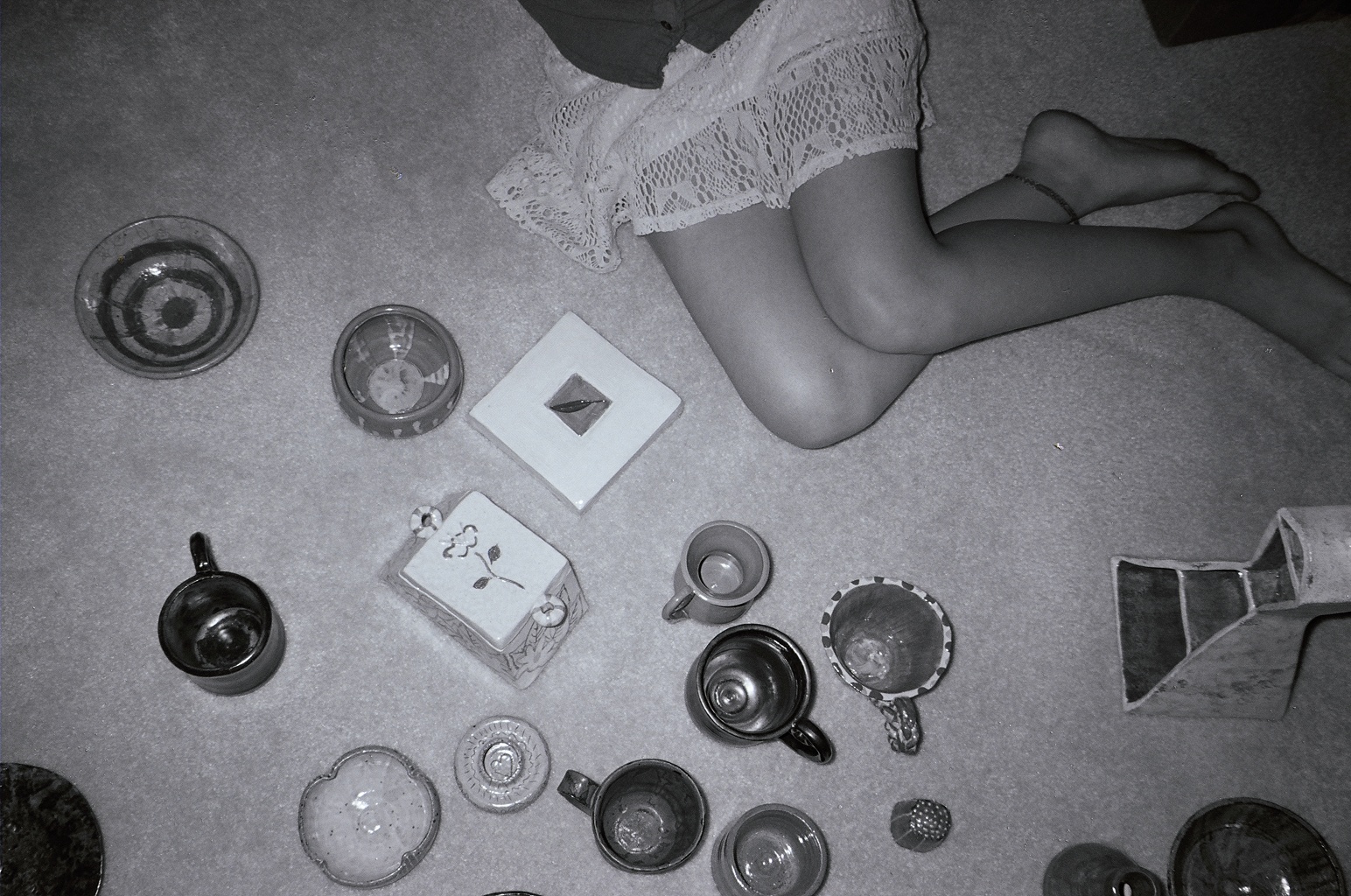
self portrait of a girl

This post was written as part of To Each Their Own’s guest post series on Modesty & Self Image.

I was steeped good and long in American evangelical culture, though not one that held too tightly to ideals of traditional gender spheres. As a result, I was both encouraged to join the worship team and participate in co-ed theological discussions and discouraged from flaunting my sexuality (along lines of thought very specific to Protestant Christian tradition). I was told that the boys in youth group would lust after me and sin in their hearts if I didn’t wear a shirt over my swimsuit on beach excursions. I was told to be mindful of cleavage and short skirts and too much makeup. Obsessed as a child (and still) with ideals of fairness and personal responsibility, this didn’t sit well with me. In my view, the boys were given a free pass to lust. I asked a youth leader once if boys would cover up, too, so as not to cause women to stumble. I was immediately dismissed with a laugh and the subject was never brought up again.

But the notion of blaming the inactive party for the thoughts and behaviors of the aggressor is simply nonsensical. The person to blame is the person who did the thing, whether that thing is something as seemingly innocent as adolescent lust or as devastating as sexual assault.

So I come to the traditional modesty discussion, as an adult, with a fair amount of cynicism and, I hope, with a helpful dose of moderation and practicality. I believe that men and women must take equal ownership over their bodies and their thoughts. If I walk out in public naked, that’s no excuse for rape. On the other hand, I recognize that I live in a society with specific modesty codes that apply not only to sexual expectations but to daily interactions, and that it’s within my best interest as a member of my social system to, say, wear a suit to an interview and save the swimsuit for the beach.

Modesty is inevitably political, and from that broad perspective I think people should dress as they please (within a reasonable distance from their society’s expectations) and not be harassed for it.

But modesty is also personal. For instance, I never worried much about showing too much cleavage because I’m an almost-A cup. When other girls took comfort in the appearance of fuller figured celebrities and lauded Dove’s Real Beauty campaign, I was busy taking solace in the appearance of thin, pale super models, who more closely resembled my body type and weren’t bullied for it.* At 16, I was 5’5” and 96 pounds; I ate but couldn’t put on weight. People, my doctor included, thought I was anorexic. My body image issues weren’t talked about because I, apparently, fit the socially accepted standard of beauty (no one told the boys that). Teen Vogue was a beacon of confidence for me, and I delved happily into the world of high fashion. Eight years later and I’m still enamored by fashion spreads, new novelty prints, and the season’s best shoes. I even have a fashion blog. I didn’t realize at 16 that this thing I clung to for comfort and body acceptance would have such a hold on me.

When I get dressed in the morning, or when I buy a new garment, I can see how I adapted and combined my experiences to suit my needs. I like to cover my shoulders because people tell me they’re bony. I flaunt my clavicles because I think they’re pretty. I won’t wear a skirt higher than mid-thigh because it just feels inappropriate. There are some things you carry for so long they become a part of you. I’d like to feel so comfortable in my body that I can wear anything and feel confident. But I think it’s ok that I’ve reached these compromises with myself and with the modesty/sexuality obsessed culture that exists both within and outside of the church.

Through fashion, and even through the modesty culture I grew up within, I’ve come to appreciate my body both as flesh and blood and as art. When blogging, I like the distance a self portrait can provide, the harsh objectivity. I can look at myself through the lens of a photographer interested in imperfection, angles, and shadows. It’s easier, too, when I know I contribute more than just my appearance to the world – when I can write, hug, listen, laugh, work – and know that these things are acknowledged, that these things make a considerable difference.

But I’d still like to think that God doesn’t just think I have potential on the inside. I’d like to think He thinks I look pretty awesome, too.

*That’s not to say that I think that forced thinness in runway culture is acceptable. I understand the potential and already realized self image issues associated with the modeling industry.

on safety nets and waiting

waitingThe waiting times
I’ve heard
are lessons
to learn – so far
I’ve learned:

uncertainty is hard.
It wears at the
netting that holds us
Above that infinite
chasm of ultimate
un-knowing.

I scribbled down the poem above in my journal a couple of weeks ago in an attempt to reflect on the ruthless anxiety that has spread out and seeped in over the past, seemingly endless few weeks. We were waiting to learn about job opportunities, grades, financial provisions, and family health concerns. We were waiting to see how much we’d have to change to accommodate all the changes we couldn’t control. And just as the pieces started falling into some sort of order, my car broke down – and we’re waiting for rides and parts and final bills.

Waiting is inconceivably difficult. You have no central control. You make decisions and ease transition by doing an awkward, breathless, side-stepping dance around the resolution itself.

I went through a period of waiting before where I practiced repeating:

Wait for the Lord. Be strong and take heart, and wait for the Lord.*

I don’t remember what I was waiting for. I only remember the verse. It’s a brilliant phrase for us, the waiting ones, because it gives us back a sliver of control: You have to actively respond to a command. You get to take a deep, heroic breath, hold your fist out in an intimidating pose toward the empty air in front of you and press on. You are legitimized in your struggle by the implication that waiting does take strength and willpower. Your internal voice that incessantly nags, “What are you whining about?” gets a hand held over its mouth and, for the second you’re reflecting, you feel strong again. You feel ok.

So you repeat it like an incantation. You redirect your waiting. You wait for the Lord to show up, God-willing, and work toward believing that the rest of it will show up, too.

*Psalm 27:14

image source: Waiting by Dr. Hugo Heyrman

i’m still here

Hello, y’all. I’m not gone; I’ve just been posting up a storm on my fair trade blog, Style Wise.

hot air balloons charlottesville

I’ve also been reading some thought provoking and inspiring articles:

It’s an almost universal truth that any language you don’t understand sounds like it’s being spoken at 200 m.p.h. — a storm of alien syllables almost impossible to tease apart. That, we tell ourselves, is simply because the words make no sense to us. Surely our spoken English sounds just as fast to a native speaker of Urdu. And yet it’s equally true that some languages seem to zip by faster than others. Spanish blows the doors off French; Japanese leaves German in the dust — or at least that’s how they sound.

Reflecting on what he went through when Ruthie was sick, he told me that the secret to the good life is “setting limits and being grateful for what you have. That was what Ruthie did, which is why I think she was so happy, even to the end.”

While honest compensation should always be sought with both humility and pride, the pursuit of riches and wealth as an end goal is always a losing battle. Riches will never fully satisfy… we will always be left searching for more. People who view their work as only a means to get rich often fall into temptation, harmful behavior, and foolish desires.

And when you believe that minuscule imperative statements trump entire narratives, you miss out on the complexity that is woven into scripture. You lose stories like Deborah and Junia and Phoebe and Tabitha and Lydia and Anna and Priscilla– because these stories about powerful women conflict with the limited suggestion of one author to one friend. You lose the ability to learn from the value of contradictions, because instead of recognizing contradictions as the human component of individual perspective and human narrative, the contradictions become something you have to explain away or deny

Somewhere in my mid-twenties, I drifted off the Romans Road and stumbled onto a bigger, wilder Gospel in which salvation is less about individual “sin management” and more about God’s relentless work restoring, redeeming, and remaking the whole world. Salvation isn’t some insurance policy that kicks in after death; it’s the ongoing, daily work of Jesus, who loosens the chains of anger, greed, materialism, and hate around our feet and teaches us to walk in love, joy, and peace instead. It’s good news, not bad news, and I can’t, for the life of me, believe that only evangelical Christians like myself have a monopoly on it.

What have you been up to?

*Hot Air balloon over Charlottesville, by Reid Kasprowicz on flickr

alleluia!

easter vigil

As the sun sets, attendees are given an unlit candle. Outside, the light of Christ is lit just as the last light of the sun settles on the horizon. Parishioners process in quietly and await the coming of the light of Christ as it is solemnly paraded down the center aisle. All are aided in lighting their candles from the light of Christ at the front, passing it on, candle by candle to those within their pew. The sanctuary is unlit apart from the growing light of Christ clutched in the hands of this body of individuals, awaiting the readings in silence.

Each contained fire flickers and flares – rhythmically, chaotically, still for just a moment – as members of the congregation recount God’s victory amid despair and oppression. Psalms are chanted in a resonating baritone. The mood is somber, but a quiet hope begins to swell as words of salvation are announced, as the chanting echoes across the high ceilings and glass walls of the sanctuary.

All at once, the room comes alive with light, parishioners ring bells they hid among their belongings, and the organist begins a triumphant song. All stand and sing:

Jesus Christ is risen today, Alleluia!
our triumphant holy day, Alleluia!
who did once upon the cross, Alleluia!
suffer to redeem our loss. Alleluia!

Hymns of praise then let us sing, Alleluia!
unto Christ, our heavenly King, Alleluia!
who endured the cross and grave, Alleluia!
sinners to redeem and save. Alleluia!

But the pains which he endured, Alleluia!
our salvation have procured, Alleluia!
now above the sky he’s King, Alleluia!
where the angels ever sing. Alleluia!

For the first time since Lent began, Alleluia rings out again. The world was dark and cold as a winter night, but Christ is alive and in it and working once again!

tree blossom

The final verse of Wheat that Springeth Green, in particular, rang true for me this year:

When our hearts are wintry, grieving or in pain,
thy touch can call us back to life again,
fields of hearts that dead and bare have been:
love is come again, like wheat that springeth green.

How I needed to exhaust my lungs with the singing of those words! After a long, dark winter, after several weeks of chaos and confusion and self doubt, after 8 months of not dealing with the weight of moving away from everything familiar and comforting, I needed to acknowledge the barren winter in my heart, clear the snow away, and discover joy without limitation in Love springing up again.

He is risen! Alleluia!

first image source: Catholic News/second image: my own